

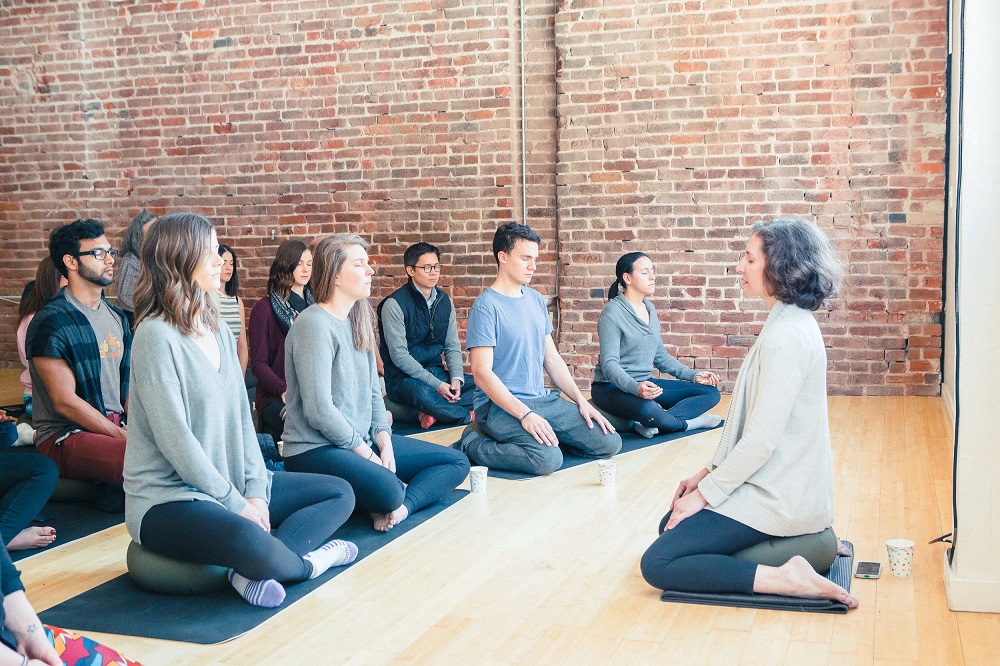
Starting meditation is often easier than sticking with it. Many people try a few sessions, feel a moment of calm, and then fall off when life gets busy. That’s not a lack of discipline—it’s a lack of structure. Meditation is a skill, and like any skill, it becomes more reliable when you have guidance, a plan, and a routine you can actually maintain.
This is where meditation classes can make a meaningful difference. Classes provide a steady framework, so you’re not guessing what to do each day. They also help you understand why specific techniques work, how to handle distractions, and how to adjust your practice as your needs change. Instead of relying on motivation, you build consistency through a repeatable process.
Why Consistency Matters More Than Length
A common misconception is that more extended meditation is always better. In reality, consistency is what strengthens the habit and trains the mind. Five minutes daily can create more progress than an hour once a week. Meditation works through repetition—returning attention again and again teaches your nervous system how to settle and your mind how to respond rather than react.
Classes support this by giving you a clear path:
- What to practice today
- How long to practice
- Which technique fits your current level
- How to track progress without pressure
With that structure, meditation becomes part of your lifestyle rather than an occasional activity.
What You Learn in Meditation Classes
Meditation classes are not only about sitting quietly. They often teach practical skills that apply directly to daily stress, focus, and emotional balance. A good class helps you understand the “how” and the “why,” which makes practice easier to continue.
Here are a few key things classes typically help you develop:
1) Better Attention Control
You learn how to notice when the mind wanders and gently bring it back. That small act is the core of meditation training, and it improves with regular practice.
2) Stress Regulation
Meditation supports the body’s ability to shift out of fight-or-flight mode. Classes often include breathwork and grounding techniques that help reduce tension.
3) Emotional Awareness
Instead of being overwhelmed by emotions, you learn to observe them. This creates space to respond thoughtfully rather than react impulsively.
4) Practical Techniques for Different Situations
Classes often introduce a variety of methods so you can choose what fits—calming practices for anxiety, focused practices for productivity, or reflective practices for clarity.
The Biggest Advantage of Taking a Class
The main benefit isn’t just instruction—it’s accountability and momentum. When you join a class, you’re more likely to show up regularly, even on days you feel tired or distracted. This makes practice sustainable, because your routine doesn’t depend on being “in the mood.”
Classes also reduce the feeling of confusion. Many beginners stop because they think they’re doing it wrong. In reality, wandering thoughts are everyday. A class helps you understand that the goal isn’t perfection—it’s awareness.
Types of Meditation Classes You Can Choose From
Not all classes are the same, and the best option depends on your lifestyle and goals. The key is selecting a format you can realistically follow for weeks, not just days.
Guided Beginner Classes
These focus on foundational skills such as breath awareness, posture, and managing distractions. They’re ideal for people who want clarity and step-by-step support.
Themed Stress-Relief Classes
These classes often include calming breathwork, body scans, and relaxation techniques designed to lower anxiety and tension.
Focus and Productivity Classes
If your mind feels scattered, these classes emphasize concentration and attention training—helpful for work and study routines.
Sleep and Evening Wind-Down Classes
These are typically slower and more soothing, supporting better sleep quality and helping the mind settle before bed.
Some platforms also combine these approaches so your practice can evolve.
How to Choose the Right Meditation Class
A class should feel supportive, not overwhelming. If it’s too long or too advanced, you may lose consistency. The best class is the one that meets you where you are and helps you build gradually.
When choosing, look for:
- Short, realistic daily sessions
- Explicit instructions and beginner-friendly pacing
- A variety of techniques you can experiment with
- A structure that encourages regular practice
If you’re unsure, start with an introductory foundation class. Once you feel comfortable, branch into stress, focus, or sleep-specific sessions.
Building a Routine That Actually Sticks
Even with classes, the most crucial part is integrating meditation into real life. The simplest way is to attach it to an existing habit so it becomes automatic.
Try these routine ideas:
- Meditate right after brushing your teeth
- Practice before your first coffee or tea
- Do a short session after work to reset
- Try a calming session before bed
Keep it easy in the beginning. The goal is to build a habit you can maintain, not to push yourself into long sessions.
Making Progress Without Overthinking It
Meditation progress can be subtle. You may not feel “blissful” every time, but you might notice that you recover from stress faster, sleep more deeply, or stay calmer under challenging moments. That’s real progress.
A consistent class-based approach helps you build this slowly and steadily. With regular practice, meditation becomes less about trying to “fix” yourself and more about learning to meet life with clarity.
Many people explore structured programs through Op e n, but the most effective path is always the same: show up, practice regularly, and let the results build over time.
