

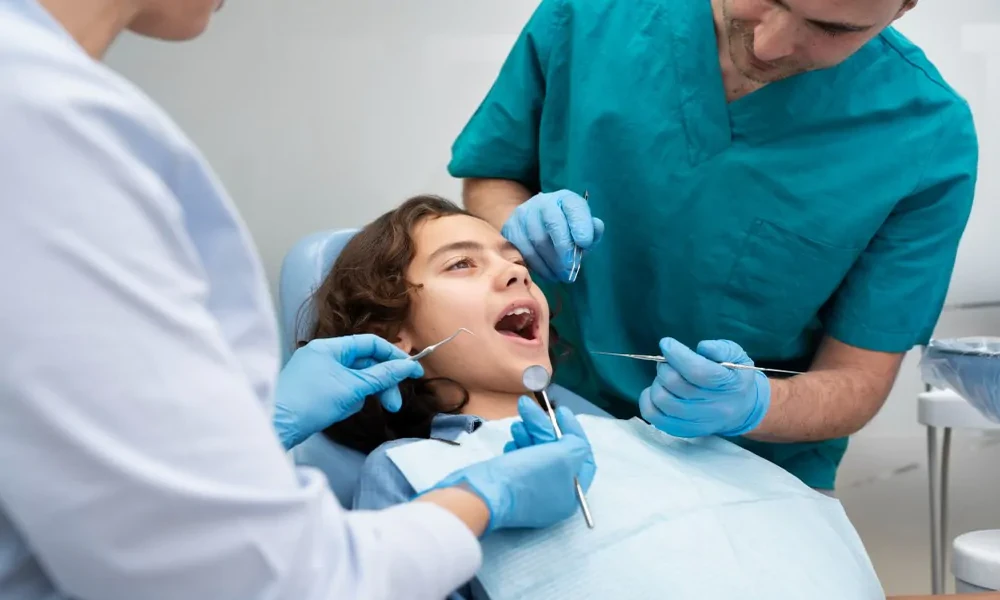
You might not think much about your teeth when nothing hurts, and that is often how dental emergencies catch people off guard. One day everything feels normal, then suddenly there is a cracked tooth, a swollen gum, or pain that keeps you awake. That shift from “I’m fine” to “I need help now” can feel fast, stressful, and expensive. The good news is that many urgent dental problems do not appear out of nowhere. In many cases, regular care with a general dentist, such as a family dentist in Jackson, OH, helps spot trouble early, treat it before it grows, and lower the odds that a small issue turns into a crisis. That is the heart of How General Dentistry Helps Reduce The Risk Of Dental Emergencies.
When you stay current with exams, cleanings, and routine treatment, you give yourself a better chance of avoiding infections, broken teeth, and severe decay. A general dental care emergency prevention plan is not about perfection. It is about catching problems while they are still manageable.
Why do dental emergencies seem to happen when life is already full?
Most people do not ignore their mouth on purpose. Life gets busy, money gets tight, and if a tooth only feels “a little off,” it is easy to put it aside. Because of that delay, a cavity can deepen, gum irritation can become infection, and an old filling can weaken until it breaks at the worst time.
So, where does that leave you? It means routine visits are not only about cleaning teeth. They are also about looking for warning signs you may not notice at home. A general dentist checks for decay between teeth, worn fillings, gum disease, bite issues, and early infection. These are the quiet problems that often lead to urgent pain later.
According to the CDC’s oral health information, oral health is closely connected to overall health. That matters because untreated dental disease can affect more than comfort. It can interfere with eating, sleeping, speaking, and day to day focus. When a problem reaches that stage, it usually feels much bigger than “just a tooth.”
How can a general dentist stop small problems from becoming emergencies?
The biggest benefit of seeing a general dentist is timing. A tiny cavity can often be treated with a simple filling. If that same cavity is left alone, it may reach the nerve and lead to intense pain, an abscess, or the need for a root canal or extraction. In the same way, mild gingivitis may improve with better cleaning and home care, but advanced gum disease can loosen teeth and create infection.
There is also the issue of hidden damage. What if you grind your teeth in your sleep and do not know it? What if an old crown is starting to fail but has not hurt yet? What if food keeps getting trapped around one tooth because of a small fracture? These are the kinds of details a routine visit can uncover before they create a weekend emergency.
Preventive dental care also includes practical guidance. A general dentist can show you where you are missing plaque when you brush, suggest a night guard if you clench, and recommend fluoride or sealants when decay risk is high. The National Institute of Dental and Craniofacial Research offers useful oral hygiene guidance that supports the same idea. Daily habits and regular checkups work best together.
What does routine care protect you from, and what happens when you wait?
It helps to see the difference clearly. Not every dental issue can be prevented, of course. Accidents happen. Sports injuries happen. But many common emergencies grow from conditions that were already there.
| Routine General Dentist Care | If Care Is Delayed |
|---|---|
| Small cavity found during exam and filled early | Cavity deepens, causing nerve pain, infection, or tooth loss |
| Regular cleaning reduces plaque and gum inflammation | Gum disease worsens, leading to swelling, bleeding, and loose teeth |
| Cracked filling or crown noticed before failure | Restoration breaks during eating, causing pain and urgent repair |
| Bite problems or grinding identified early | Teeth wear down, chip, or fracture over time |
| Home care advice tailored to your risk level | Missed hygiene issues continue until symptoms become hard to ignore |
This is why general dentistry and emergency prevention matter so much. The goal is not only to fix what hurts today. It is to reduce the chance that tomorrow brings swelling, sharp pain, or a sudden broken tooth.
What can you do right now to lower your risk?
1. Schedule routine exams and cleanings before you feel pain.
Pain often means a problem has already progressed. Regular visits create chances to find weak spots early, when treatment is usually simpler and less costly.
2. Take daily home care seriously, even if your mouth feels fine.
Brush twice a day with fluoride toothpaste, clean between your teeth every day, and pay attention to bleeding gums, sensitivity, or food getting stuck in one area. The CDC shares practical oral health tips for adults that can help you build a routine that supports long term protection.
3. Do not ignore small changes.
A little tenderness when chewing, a rough edge on a tooth, or a filling that feels “different” may not seem urgent, but these are often the early signs that something is changing. Calling a general dentist sooner can help you avoid a much harder situation later.
Could steady dental care save you stress, money, and pain?
In many cases, yes. Dental emergencies can be painful, disruptive, and costly, especially when they happen after hours or when treatment becomes more involved. Routine care with a general dentist gives you a better chance to stay ahead of decay, gum disease, fractures, and infection. That does not guarantee you will never have an urgent problem, but it can lower the risk and make your next step clearer if something does come up.
If you have been putting off a visit, you are not alone, and it is not too late to start. A simple checkup can be the first step toward fewer surprises and more peace of mind.
