

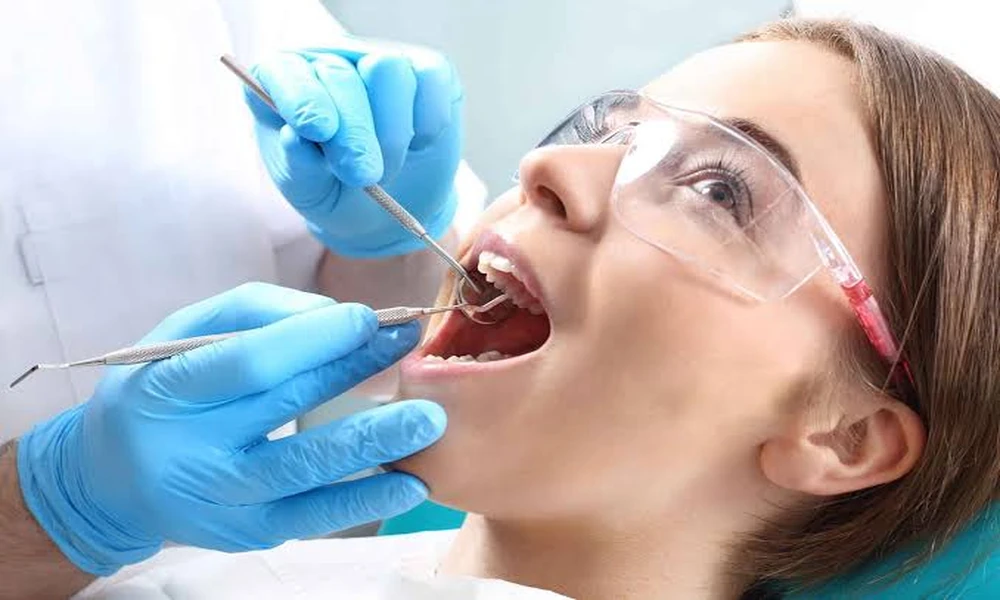
You may be juggling school schedules, work, aging parents, and the usual pile of appointments that never seems to end. Working with a family dentist in Surprise can help keep everything in one place. Dental care often gets split into pieces, one office for cleanings, another for your child’s checkup, another for whitening or veneers you have been putting off for years. That patchwork approach drains time, creates gaps in care, and makes it easier for small problems to grow.
When one practice handles routine care, family visits, and appearance focused treatment, your life gets simpler and your care often gets better. A family and cosmetic dentist can track changes over time, spot issues earlier, and build a plan that fits both your health and your goals. That means fewer repeated conversations, fewer records floating around, and a clearer path from prevention to treatment to smile improvements.
Combined Family, General, and Cosmetic Dental Care Creates Better Continuity
Dental care works best when someone sees the full picture. A provider who treats your child’s cavities, your partner’s gum concerns, and your chipped front tooth is not looking at isolated problems. They are seeing patterns, habits, and risks across years of care. That continuity matters because many cosmetic concerns are tied to general oral health. Stains may point to enamel wear. A cracked tooth may affect your bite. Gum recession changes how a smile looks and how teeth function.
The National Institute of Dental and Craniofacial Research explains the basics of good oral hygiene, but even strong habits at home do not replace regular professional care. If your care is scattered, one office may not know what the other recommended. You end up repeating your history, trying to remember dates, and making decisions without a clear roadmap.
One Dental Home Reduces Stress for Busy Families
There is a practical kind of stress that comes with fragmented care. You leave work early for one child’s cleaning, then take another day off for your own filling, then try to squeeze in a cosmetic consultation somewhere else. If you have ever searched your phone for appointment reminders while sitting in traffic, you already know how quickly dental care can feel like a second job.
Blending services in one office cuts down on that friction. Scheduling gets easier. Records stay in one place. Insurance questions often become simpler because one team understands your treatment history. Children also tend to do better when dental visits feel familiar. Adults do too, even if they do not say it out loud. The less energy you spend managing logistics, the more likely you are to keep up with care.
General and Cosmetic Dentistry Together Supports Earlier Treatment
Many people separate health needs from appearance needs, but your mouth does not work that way. A tooth that looks uneven may have wear from grinding. Teeth that seem dull or short may reflect erosion. Bleeding gums can change the shape of your smile long before they cause pain. When a provider offers both routine and aesthetic services, concerns do not get brushed aside as purely cosmetic or purely functional.
This matters because oral disease is common and often silent at first. The NIDCR summary on oral health in America shows how widespread dental conditions remain across age groups. Early treatment is usually simpler, less invasive, and less expensive than waiting until a problem forces your hand.
A Family Cosmetic Dental Practice Can Make Long Term Costs More Predictable
People often delay cosmetic work because it feels optional, then delay general care because life gets expensive. That cycle can backfire. A small chip becomes a larger fracture. Mild crowding contributes to uneven wear. Untreated decay undercuts future cosmetic plans. You pay more later, and the fix is often more involved.
When preventive, restorative, and appearance based care are planned together, treatment can be phased in a way that respects your budget. You can address urgent needs first, protect the health of the teeth and gums, then move toward smile goals without undoing prior work. That kind of sequencing is hard to manage when different offices are working from different priorities.
Blending Dental Services Improves Function Along With Appearance
A better smile is not only about color or shape. It is also about bite balance, speech, comfort, and confidence when you eat or laugh. Cosmetic treatment done without attention to gum health, jaw function, or existing restorations can look fine at first and feel wrong later. The reverse is also true. A healthy mouth that has never been evaluated for appearance goals may leave you feeling like something is still unfinished.
Blended dental care benefits show up in daily life. You may chew more comfortably. You may stop hiding one side of your smile in photos. Your teen may get a straighter looking smile and better cleaning access at the same time. These outcomes are connected, not separate.
Family and General Dental Care With Cosmetic Options Builds Trust Over Time
Trust grows when you do not have to start over every time your needs change. If a dentist has cared for your family through cleanings, fillings, sealants, and bite concerns, it is easier to talk openly about whitening, bonding, or replacing worn restorations. You are not walking into a new office wondering if someone will push treatment you do not need. You already know how they explain options and how they respond when you are anxious.
For many people, that comfort is what finally gets them through the door. MedlinePlus offers a helpful overview of dental health topics, and one theme is clear across ages: avoiding care usually makes things harder. Familiar care reduces that avoidance.
Practical Differences Between Fragmented and Integrated Dental Care
| Area | Separate Providers | Integrated Family, General, and Cosmetic Care |
|---|---|---|
| Scheduling | Multiple offices, repeated intake forms, more time off work or school | Fewer moving parts, easier coordination for households |
| Treatment Planning | Recommendations may not line up across providers | One plan that connects prevention, repair, and smile goals |
| Records and Imaging | Transfers can be delayed or incomplete | History stays in one place and trends are easier to track |
| Costs Over Time | Problems may be missed until they become larger and pricier | Early detection and phased treatment can reduce surprise expenses |
| Patient Comfort | Trust has to be rebuilt with each new office | Familiar team and environment often reduce anxiety |
Three Steps You Can Take Right Away
Gather your dental history. Pull together recent X rays, treatment notes, insurance details, and a list of concerns for each family member. Include things that seem small, like sensitivity, clenching, staining, or old bonding that no longer looks right.
Prioritize health and appearance together. Write down what hurts, what worries you, and what you want to improve. A child may need cavity prevention. You may want a cleaner, brighter smile. A spouse may need a crown checked. Seeing those needs on one list helps create a realistic plan.
Choose a provider who offers a full scope of care. Look for a practice that handles routine exams, preventive services, restorative treatment, and cosmetic options under one roof. That is often the strongest setup for family dental and cosmetic care that lasts.
You do not need perfect timing or a perfect budget to make dental care easier. You need a plan that fits real life and a practice that can care for your family as needs change. If you are ready to simplify appointments, protect long term oral health, and feel better about your smile, schedule a visit with a trusted family and cosmetic dentist.
