

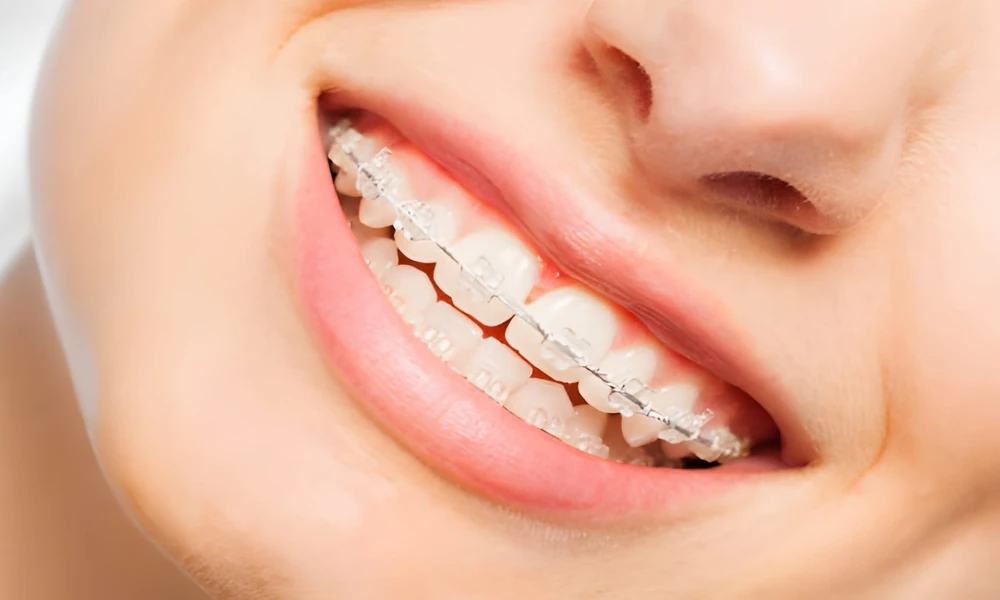
Getting metal braces is a big step toward a healthier, straighter smile. It is exciting, sure, but you might also feel nervous about soreness, eating, or how your smile will look. The good news? Modern metal braces are smaller and more streamlined than older designs. The first month is mostly about adjusting to a new routine and learning what works for you.
Metal braces remain a popular choice for orthodontic treatment for patients of all ages! Just book an appointment at a well-known facility like Vermette Orthodontics to discuss the best option for you. It is one of the leading providers of metal braces in Concord, NH.
Week 1: Getting Used to Your Braces
Your orthodontist will attach small metal brackets to your teeth and connect them with a thin wire. The process is generally painless, although keeping your mouth open for a while can feel tiring.
A few hours later, your teeth may start feeling sore or tender. Biting into food can be uncomfortable for several days. Don’t panic! This is a normal response to the gentle pressure that begins moving your teeth.
Try these simple tips:
- Choose soft foods such as yogurt, mashed potatoes, eggs, and soup.
- Cut food into small pieces instead of biting directly into it.
- If brackets rub against your lips or cheeks, use orthodontic wax.
- Follow your orthodontist’s advice about pain relief.
Week 2: Eating and Speaking Get Easier
By the second week, the initial soreness usually starts settling down. You will gradually become more comfortable chewing and speaking. Some people adjust quickly, while others need a little longer.
You may notice your tongue occasionally catching on the brackets or your speech sounding slightly different. That is ok. Reading aloud and practising conversations can help you feel more natural.
You will also learn which foods are worth avoiding. Hard candies, popcorn kernels, ice, and sticky sweets can damage brackets or wires. Softer meals are your friends for now!
Week 3: Building a Daily Cleaning Routine
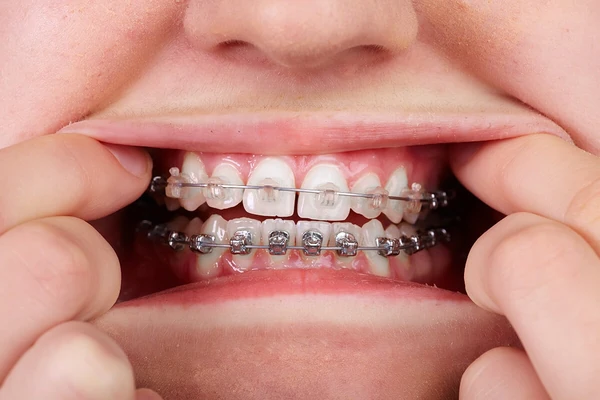
Braces create additional places for plaque and food particles to collect. Brushing properly becomes especially important, even when you are tired and just want to go to bed.
Make these habits part of your day:
- Brush carefully after meals, cleaning around each bracket.
- Floss daily using a floss threader or another orthodontist-recommended tool.
- Rinse your mouth with water after eating when brushing is not possible.
- Carry a small toothbrush kit when travelling or going to school.
It takes practice, but your efforts help protect your teeth and gums throughout treatment.
Week 4: Feeling More Confident
By the end of your first month, braces will probably feel less unfamiliar. You may find eating easier, speaking more naturally, and managing oral hygiene with less effort.
Your orthodontist may schedule an adjustment visit to check your progress and decide whether any changes are needed. Mild soreness can return after adjustments, but it generally settles within a few days.
When Should You Contact Your Orthodontist?
Call your orthodontist if a bracket becomes loose, a wire pokes your cheek, or pain is severe or persistent. Don’t try to cut or reposition wires yourself unless your orthodontist specifically advises you to do so.
