

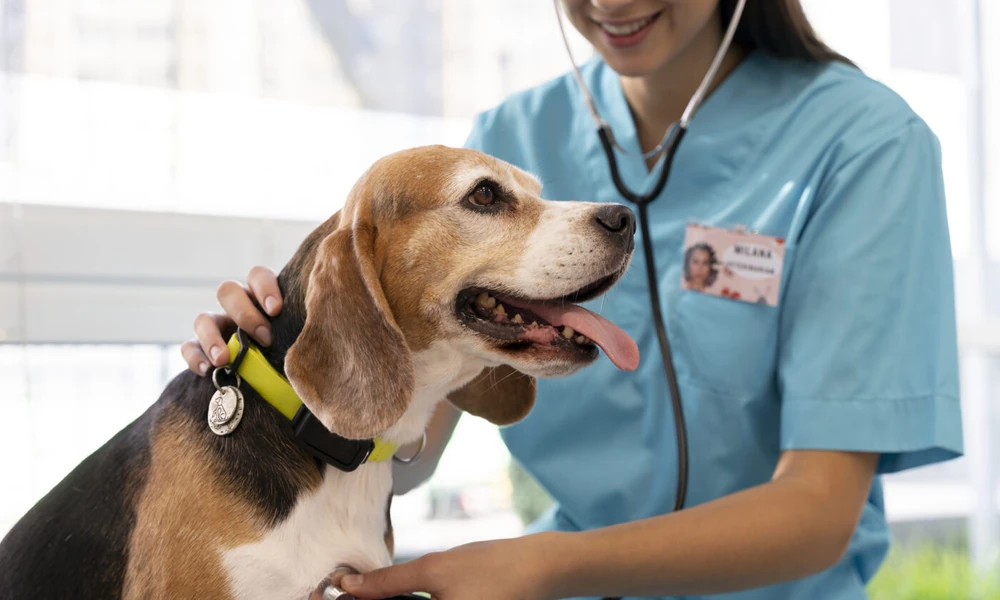
You may be looking at a growing number of stray cats in your neighborhood, trying to help a rescue group that is stretched thin, or making a decision for your own pet and feeling the weight of it. That stress is real. One surgery can feel simple on paper, but when it involves cost, safety, recovery, and the larger problem of pet overpopulation, it stops feeling simple fast. A League City veterinary clinic can help you weigh those concerns and make the best decision for your situation.
The reason animal hospitals matter so much in spay and neuter efforts is clear. They do more than perform surgery. They screen pets for health issues, manage pain, handle emergencies, guide recovery, and connect that one procedure to a larger public health goal. Spay and neuter programs work best when skilled medical teams, shelter partners, and pet owners are all part of the same chain of care.
Animal hospitals turn population control into safe medical care
People often hear spaying and neutering described as routine, and that word can make the process sound easy enough to do anywhere. Routine does not mean risk free. A young, healthy pet may move through surgery with little trouble, while another may have an undetected infection, a heart murmur, pregnancy, or poor body condition that changes the plan. Animal hospitals are built to catch those problems before they become dangerous.
That matters in high volume settings and one pet at a time. A hospital team can examine an animal, choose the right anesthesia, monitor breathing and heart rate, control pain, and respond if something goes wrong. If you have ever worried, “What if my pet does not wake up well?” or “What if a stray cat is sicker than she looks?” that is exactly where a hospital setting changes the outcome.
This is also why veterinary support for spay and neuter reaches beyond the operating room. Good programs need intake protocols, vaccination review, parasite treatment, discharge instructions, and follow up. Many community based services are designed around that broader model of care, including community medicine programs at veterinary teaching hospitals that support access to needed services.
Spay and neuter services reduce suffering that people often do not see at first
Overpopulation is usually discussed as a numbers problem, but the daily harm is personal and immediate. Unplanned litters can leave owners scrambling for homes, shelters forced to make impossible space decisions, and rescue groups spending limited funds on preventable births instead of injuries, infections, and chronic illness. Free roaming animals face fights, car trauma, weather exposure, and reproductive disease. Female pets may develop uterine infections or mammary cancer risks later. Male pets may roam, mark, and fight more often.
You see the strain long before a shelter report ever captures it. One unfixed cat becomes several. One dog gets loose during a heat cycle and now there is a litter nobody planned for. Families who want to do the right thing can still fall behind when surgery costs feel out of reach or transportation is hard to arrange.
Animal hospitals help break that cycle because they bring medical judgment and structure to a problem that grows fast when delayed. They also serve as training and partnership hubs. Shelter medicine programs, including veterinary shelter medicine education, show how hospitals and shelters work together to improve surgery access, disease control, and outcomes for large groups of animals.
Professional animal hospital care lowers risk and improves long term results
The choice is not only about getting a pet sterilized. It is about getting that care done safely, at the right time, with a plan for what comes next. A low cost option can still be excellent when it is backed by trained veterinary staff and proper monitoring. A rushed or poorly supported setting can create complications that end up costing more, both financially and emotionally.
| Care Factor | Animal Hospital Based Spay or Neuter | Minimal or Poorly Supported Setting |
|---|---|---|
| Pre surgery exam | Health screening can identify infection, pregnancy, age concerns, or anesthesia risks | Problems may be missed until surgery or after complications begin |
| Anesthesia monitoring | Dedicated staff track breathing, heart rate, temperature, and response | Limited monitoring raises the chance of preventable emergencies |
| Pain control | Medication plan is tailored to the animal and procedure | Pain may be under treated, leading to stress and slower recovery |
| Emergency response | Medical equipment and trained teams are on site | Delays in response can worsen outcomes |
| Aftercare guidance | Clear discharge instructions and follow up support | Owners may be left guessing about activity limits or warning signs |
| Community impact | Pet sterilization programs are more consistent and sustainable | Missed follow up and uneven quality weaken program results |
That difference shows up in real life. A healthy kitten from a foster home may recover quickly and be ready for adoption on schedule. A dog with an unnoticed respiratory issue may need a different anesthesia plan and closer monitoring. A feral cat in a trap may need careful handling, parasite treatment, and a recovery process that protects both the cat and staff. Animal hospitals are equipped for those differences.
Three steps you can take right now
1. Ask about the full care process. When you schedule a spay or neuter, ask what happens before surgery, during anesthesia, and after discharge. You want to hear about exams, pain control, monitoring, and what to watch for at home.
2. Look for programs tied to veterinary or shelter medicine. If cost is a barrier, search for community clinics, teaching hospitals, or shelter partnerships. These programs often balance affordability with medical oversight, which is what keeps access from turning into corner cutting.
3. Plan beyond your own pet. If you feed community cats, foster animals, or work with a rescue, build a relationship with an animal hospital that understands population management. One reliable medical partner can help you prevent repeat crises instead of reacting to them over and over.
Strong spay and neuter programs depend on animal hospitals
When people talk about reducing overpopulation, the conversation often stays at the level of numbers. The real work happens in exam rooms, surgery suites, recovery areas, and follow up calls. That is why animal hospitals are so important in this effort. They make spay and neuter care safer for each animal, more workable for each owner, and more effective for the community as a whole.
If you are trying to protect your pet or help reduce the strain on shelters and rescues, start with a qualified animal hospital and ask about spay and neuter services. One appointment can prevent suffering you may never have to see.
