

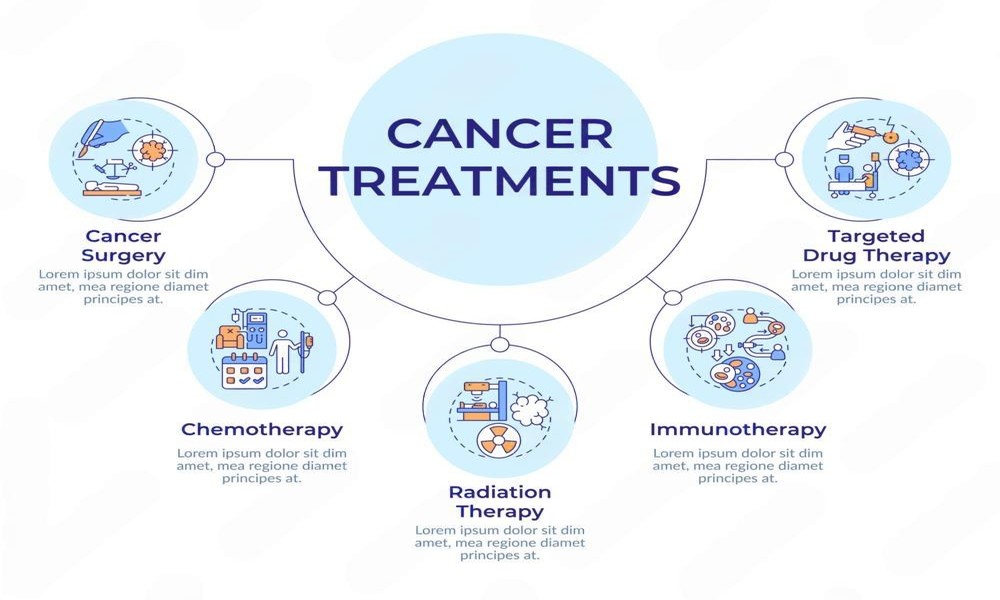
Cancer treatment has evolved significantly over the past few decades, with advances in medical research and technology expanding the range of therapies available to patients. Today, cancer care may involve several treatment approaches, from established methods such as surgery, chemotherapy, and radiotherapy to more advanced options like targeted therapy and immunotherapy. These treatments may be used individually or in combination, depending on the type and stage of cancer as well as the patient’s overall health. Understanding the different treatment options available can help patients and their families feel more informed and prepared when discussing care with their medical team. In this article, we explore the key components of modern cancer care, from traditional surgical treatments to advanced therapies used in contemporary oncology.
How Cancer Treatment Is Planned
Cancer treatment begins with a detailed evaluation to understand the nature of the disease. Doctors rely on a combination of medical tests, imaging, and laboratory analysis to determine the type of cancer and how far it has progressed.
Several important factors guide treatment planning:
- Type of cancer: Each cancer behaves differently and may respond better to certain treatments.
- Stage of the disease: Doctors determine whether the cancer is localised, advanced, or has spread to other parts of the body.
- Tumour location and size: These factors influence whether surgery, radiation therapy, or other treatments may be suitable.
- Molecular or genetic characteristics: Some cancers have specific genetic markers that allow doctors to use targeted therapies or immunotherapy.
- Patient’s overall health: Age, existing medical conditions, and the patient’s ability to tolerate treatment are important considerations.
For advanced cases, treatment decisions are made through a multidisciplinary approach. Specialists such as medical oncologists, surgical oncologists, radiologists, pathologists, and radiation oncologists review the patient’s case together to develop a coordinated and personalized treatment plan.
Common Cancer Treatment Options
Multimodality Cancer Treatment
One of the defining features of modern oncology is the multimodality approach, where two or more treatments are used together to improve outcomes. For example, a patient may first receive chemotherapy or radiation therapy to shrink a tumour. Surgery may then be performed to remove the remaining tumour, followed by additional treatment to destroy any cancer cells that might remain. This approach helps doctors:
- Improve the chances of controlling or eliminating cancer
- Reduce the risk of cancer returning after treatment
- Treat both visible tumours and cancer cells that may have spread to other parts of the body
Surgery
Surgery remains one of the most established treatments for many types of cancer, particularly when the tumour is detected at an early stage. The primary aim is to remove the tumour along with a small margin of surrounding healthy tissue to reduce the likelihood of cancer cells remaining in the body. Surgery may be performed to:
- Remove the primary tumour, especially when cancer is localised
- Determine the stage of cancer by examining nearby lymph nodes or tissues
- Relieve symptoms, such as pain or obstruction caused by tumour growth
Advances in surgical technology have also improved the precision of many procedures. Minimally invasive and robotic-assisted techniques are increasingly used in suitable cases, potentially reducing recovery time and surgical complications.
Chemotherapy and Radiotherapy
Chemotherapy and radiotherapy are widely used treatments that help destroy cancer cells or slow their growth. They may be used alone or combined with other therapies as part of a comprehensive treatment plan.
Chemotherapy uses anti-cancer drugs that travel through the bloodstream, allowing them to reach cancer cells throughout the body. It may be recommended:
- Before surgery to shrink tumours
- After surgery to destroy remaining cancer cells
- As the primary treatment for cancers that have spread
Radiotherapy uses high-energy radiation beams to target cancer cells in a specific area of the body. By damaging the DNA of cancer cells, radiation prevents them from multiplying and spreading. It is often used to treat localised tumours or to relieve symptoms such as pain or bleeding.
Targeted Therapy and Immunotherapy
Advances in cancer research have led to treatments that act more precisely against cancer cells.
- Targeted therapy focuses on specific molecules or pathways that cancer cells rely on for growth and survival. By blocking these mechanisms, targeted drugs can slow or stop tumour progression while reducing damage to healthy cells.
- Immunotherapy works by strengthening the body’s immune system so it can recognise and attack cancer cells more effectively. These treatments have shown promising results in several types of cancer and continue to expand treatment possibilities in oncology.
Both targeted therapy and immunotherapy are often recommended when cancers have specific molecular characteristics identified through specialised testing.
Advanced and Emerging Cancer Therapies
In addition to established treatments, certain cancers may benefit from more advanced therapies.
Stem cell transplantation is commonly used for some blood cancers, including leukaemia, lymphoma, and multiple myeloma. In this treatment, healthy stem cells are introduced into the body after high-dose chemotherapy or radiation therapy to help restore the production of normal blood cells.
Researchers are also exploring gene-based therapies that aim to modify or influence specific genes involved in cancer development. Techniques such as genetically engineered immune cells are being studied and have shown encouraging results in certain cancers.
What Patients Should Know Before Starting Treatment
Beginning cancer treatment often involves several important discussions with the healthcare team. Understanding the treatment plan can help patients feel more prepared and confident about the process. Patients are usually encouraged to discuss:
- Treatment goals, including whether the aim is to cure the cancer, control its growth, or relieve symptoms
- Possible side effects, as different therapies may cause short-term or long-term effects
- Duration of treatment, since some therapies may occur over several weeks or months
- Lifestyle and support needs, including nutritional care, rehabilitation, and emotional support
- Follow-up care, which involves regular monitoring to assess treatment progress and detect any recurrence
Conclusion
Cancer treatment involves a carefully coordinated approach that combines accurate diagnosis, personalised planning, and the use of multiple therapies when necessary. Early diagnosis, informed decision-making, timely treatment, and the choice of the right healthcare facility all play an important role in improving outcomes and supporting recovery. If you or your loved ones are seeking consultation, choose a leading Cancer Hospital in Ghaziabad, where experienced oncology specialists, advanced diagnostic technology, and coordinated multidisciplinary care help support effective cancer management. With the right treatment strategy and personalised care, there are improved possibilities for managing and treating cancer.
Frequently Asked Questions
What are the main treatment options for cancer today?
Cancer treatment includes surgery, chemotherapy, radiotherapy, targeted therapy, and immunotherapy. The choice of treatment depends on factors such as the type of cancer, its stage, and the patient’s overall health. In many cases, doctors combine multiple therapies to improve treatment effectiveness.
How do doctors decide which cancer treatment is best for a patient?
Doctors consider several factors when planning cancer treatment, including the type and stage of the cancer, tumour location, genetic characteristics of the tumour, and the patient’s overall health. A multidisciplinary team of specialists often collaborates to design a personalised treatment plan.
Can more than one cancer treatment be used at the same time?
Yes. Many cancer treatment plans use a multimodality approach, meaning two or more therapies are used together. For example, surgery may be followed by chemotherapy or radiotherapy to destroy any remaining cancer cells and reduce the risk of recurrence.
Are newer treatments like immunotherapy effective for cancer?
Immunotherapy has shown promising results for certain types of cancer by helping the body’s immune system recognise and attack cancer cells. However, its effectiveness depends on the type of cancer and the patient’s specific condition, so it may not be suitable for every case.
Why is early diagnosis important in cancer treatment?
Early diagnosis often allows cancer to be detected before it spreads, making treatment more effective and improving the chances of successful outcomes. It can also expand the range of treatment options available to patients. If you or your loved ones are seeking medical evaluation, consider consulting an oncology specialist at a leading Cancer Hospital in Ghaziabad. With the right equipment and expertise, precise diagnosis and timely treatment become possible.
