


Parkinson’s Disease is a progressive neurological condition that affects movement, balance, and coordination. As symptoms develop over time, many individuals require additional support with daily activities and personal care. Home care services play an important role in helping people with Parkinson’s disease remain safe, comfortable, and independent while continuing to live in familiar surroundings.
Home care provides personalized assistance based on the unique needs of each individual. Because Parkinson’s disease affects people differently, care plans are often adjusted as symptoms change. Professional caregivers and family members work together to improve quality of life while helping manage the physical and emotional challenges associated with the condition.
Understanding Parkinson’s Disease
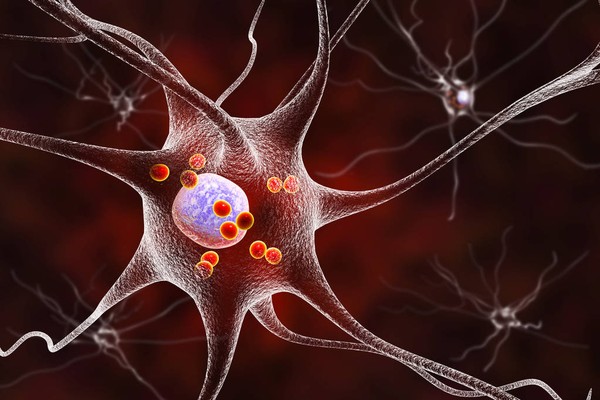
Parkinson’s disease is a condition in which nerve cells in the brain which make dopamine begin to get damaged or die. Dopamine is a chemical that plays a role in regulating movement and coordination. Dopamine levels fall and symptoms include tremors, muscle stiffness, slowness of movement, and trouble with balance.
Parkinson’s disease can also have other symptoms that involve movement, such as speech and swallowing problems, sleep disturbances, memory loss and emotional changes. People with the condition often suffer from fatigue, anxiety and depression.
Symptoms tend to worsen with time and eventually many people need support with their everyday activities, including getting dressed, bathing, preparing meals and mobility. Go to this site to read more about Parkinson’s disease.
Benefits of Home Care for Parkinson’s Disease
The principal benefit of home care is that people are able to stay in their comfortable and familiar surroundings. Remaining at home will usually lower stress levels and aid emotional health, and will help people keep up on their normal habits and independence as long as they can.
Professional caregivers may help with medication reminders, mobility, personal care and housekeeping. This assistance alleviates physical stress on people with Parkinson’s disease, and contributes to safety in the home.
Home care also offers great companionship. People with chronic conditions often feel lonely, particularly if they start to lose their mobility. Frequent contact with the caregiver may be beneficial for emotional well-being and social support.
Home care for family members is also available. Over time, caring for a person living with Parkinson’s can be physically and emotionally challenging. Family members can be helped by the professionals to avoid burnout and better handle their own responsibility.
Creating a Safe Home Environment
One of the most critical issues with Parkinson’s disease home care is safety. Tremors, balance issues, and muscle stiffness are examples of symptoms that may lead to falls and injuries.
Modifications may be suggested by home care providers to ensure access and minimize hazards. Adding grab bars in bathrooms, handrails near stairs and removing loose rugs can help make things safer. Other safety tips include non-slip flooring and adequate lighting.
Assistive devices like wheelchairs, walkers, or lift chairs could enhance mobility and comfort within the home for those with more severe mobility issues. Click here to learn about save environment for people with Parkinson’s disease.
Medication and Symptom Management
It is very important to manage medications in the treatment of Parkinson’s disease. For many people, careful timing of medications is important to help them control symptoms and move more easily.
Family members can provide reminders to take medicine, or monitor for any changes in symptoms or side effects. Regularly managing meds ensures individuals keep their symptoms better controlled and prevent complications.
Another role for caregivers can be to assist with nutrition and hydration monitoring. Some individuals with Parkinson’s have trouble swallowing or eating as well and some may not feel like eating or drinking at all, so it is important to have well-balanced meals to keep them from getting too weak.
Emotional and Social Support
Emotional health can be as impacted as physical health as a Parkinson’s Disease sufferer. Common issues that occur for people and their families are anxiety, frustration, depression, and social isolation.
Emotional support is given by Parkinson’s disease home care as a companion and encouragement. Individuals can be supported in positive mental engagement through the participation in hobbies, social interaction and conversation, which helps to maintain mental wellness and feelings of connection with the world.
Another option for people and family caregivers may be a support group or counseling service, as these can provide emotional support in dealing with a progressive neurological disease.
Conclusion
Parkinson’s disease home care provides essential support for individuals managing the physical and emotional effects of this progressive condition. From assistance with daily tasks and medication management to mobility support and companionship, home care services help improve safety, comfort, and independence.
With personalized care and a supportive home environment, individuals living with Parkinson’s Disease can maintain a higher quality of life while receiving the care and assistance they need in the comfort of their own homes.
