

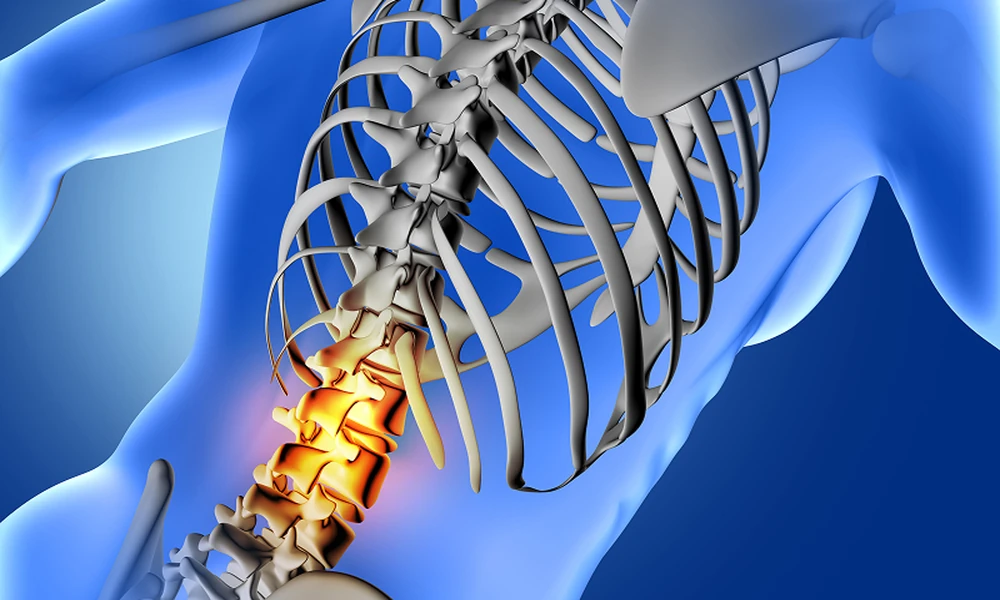
Back pain can have many possible causes, ranging from muscle strain to problems involving the vertebrae, discs or nerves. A lumbar spine fracture is a more serious concern and may require medical assessment, particularly after trauma or in people with factors affecting bone strength.
Symptoms can vary depending on the injury and the structures involved. Some people may experience significant localised pain, while others may notice changes in movement or neurological symptoms. A symptom alone cannot confirm a fracture, so professional assessment remains important when there is a reasonable concern.
A lumbar spine fracture can affect the lower section of the spine and may occur after significant trauma or when the vertebrae have become more vulnerable. Spinal fractures are recognised as a red-flag condition in clinical pathways for back pain.
Knowing which signs deserve attention can help people decide when a consultation should move higher up the priority list.
1. Sudden Severe Back Pain After Trauma
Pain following a significant fall, road traffic accident or other forceful impact deserves medical attention. The mechanism of injury can provide important information when a clinician assesses the spine.
Do not assume that being able to walk means a fracture has been ruled out. Some spinal injuries can present without immediate dramatic loss of movement.
After a significant injury, avoid repeatedly testing painful movements simply to see what happens. A medical assessment can determine what examination or imaging may be appropriate.
2. Persistent Localised Pain
Pain that remains focused around the lower back after an injury may warrant assessment, particularly when it does not behave like a mild muscular strain.
A clinician will consider the history of the pain, how it started and whether other symptoms are present. The location and character of pain can contribute to the assessment, although they cannot independently confirm a fracture.
Persistent pain without a clear explanation is a reasonable reason to seek professional advice.
3. Pain That Makes Movement Difficult
Difficulty standing, walking, changing position or performing ordinary activities can indicate that the problem needs closer assessment.
Severe pain can cause people to change how they move, which may place additional strain on surrounding muscles. Rather than repeatedly pushing through severe symptoms, seek appropriate medical guidance.
A back pain specialist may consider the full history, physical findings and relevant investigations when assessing significant or persistent symptoms.
4. Numbness, Tingling or Weakness
Neurological symptoms deserve particular attention. Numbness, tingling or weakness in the legs can indicate involvement of nerves or other spinal structures.
Radicular symptoms can involve pain, numbness or weakness radiating into a limb. Clinical pathways identify progressive neurological weakness as a red flag requiring attention.
If weakness is new, worsening or accompanied by significant changes in sensation, seek medical assessment rather than assuming the symptoms are simply muscular.
5. Changes in Bladder or Bowel Function
Changes such as difficulty controlling bladder or bowel function, particularly alongside significant back pain or neurological symptoms, require urgent medical attention.
These symptoms can be associated with serious spinal conditions and should not be managed solely through home care. Clinical guidance identifies bowel or bladder dysfunction as a red flag in the assessment of low back pain.
If such symptoms appear suddenly, seek urgent medical care.
6. Pain With Other Concerning Symptoms
Back pain accompanied by symptoms such as unexplained weight loss, fever, severe night pain or other systemic changes can require further investigation.
These symptoms do not automatically indicate a fracture or another serious condition. They simply increase the need for proper assessment.
A lumbar spine fracture should be considered within the wider clinical picture, especially when there has been trauma or a known risk of weakened bone.
Key Signs
Seek medical attention if back symptoms involve:
- Significant trauma followed by severe pain
- Persistent or worsening localised back pain
- Major difficulty moving or walking
- New numbness, tingling or weakness
- Bladder or bowel changes
- Severe pain accompanied by other concerning symptoms
These signs do not provide a diagnosis. They indicate that professional assessment may be appropriate.
A lumbar spine fracture can present in different ways, and symptoms alone cannot establish what has happened to the spine. Severe pain after trauma, persistent symptoms, neurological changes and bladder or bowel disturbances deserve particular attention. A back pain specialist can assess the history and symptoms and determine whether further investigation is appropriate.
Contact Achieve Spine & Orthopaedic Centre to discuss persistent or concerning back symptoms and arrange an appropriate specialist assessment.
