

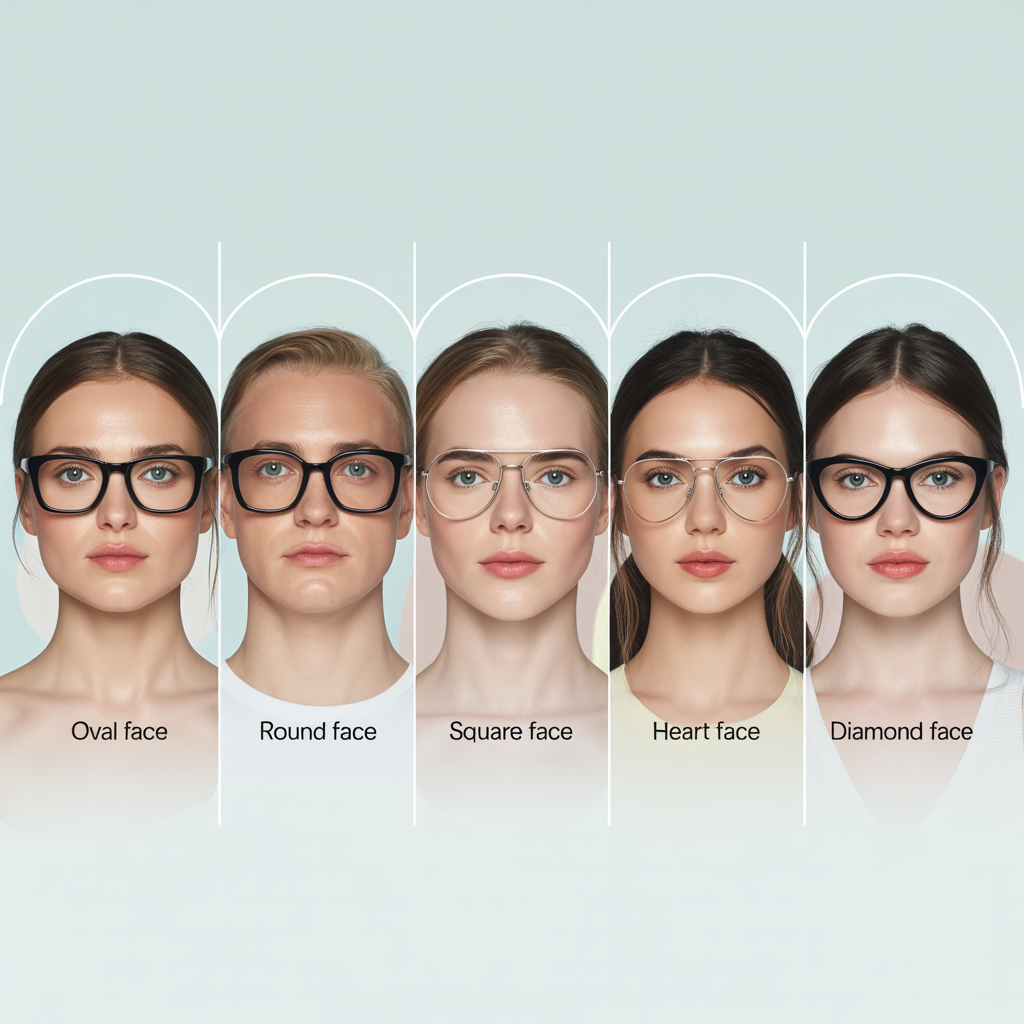
Choosing new eyewear can feel exciting, but it can also feel confusing. There are many colours, shapes, sizes, and brands to choose from. The right pair should not only help you see clearly. It should also feel comfortable, suit your face, and match the way you dress every day.
Designer frames can be a good choice for people who want eyewear that feels stylish, well-made, and long-lasting. Still, the best frame is not always the most expensive one or the trendiest one. It is the pair that fits your face, supports your lenses, and feels natural in your daily routine.
Start by Understanding Your Face Shape
Your face shape can help you narrow down the types of frames that may suit you best. This is not a strict rule, but it is a useful starting point.
Round Face
A round face usually has soft curves, fuller cheeks, and a similar width and length. Angular frames can help add more shape to the face.
Good options may include:
- Rectangular frames
- Square frames
- Slightly wider frames
- Frames with defined edges
These shapes can help create balance and make the face look more structured.
Square Face
A square face often has a strong jawline, a broad forehead, and defined angles. Softer frame shapes can help balance these features.
Good options may include:
- Round frames
- Oval frames
- Thin metal frames
- Frames with softer corners
These styles can make the face look less sharp while still keeping a clean and polished look.
Oval Face
An oval face is usually balanced, with slightly wider cheekbones and a gently curved jawline. Many frame styles can suit this face shape.
Good options may include:
- Rectangle frames
- Round frames
- Cat-eye frames
- Aviator-style frames
If you have an oval face, focus more on frame size. The frame should not be too wide or too narrow for your face.
Heart-Shaped Face
A heart-shaped face often has a wider forehead and a narrower chin. Frames that add balance to the lower part of the face can work well.
Good options may include:
- Light-coloured frames
- Rimless frames
- Oval frames
- Frames that are wider at the bottom
Avoid frames that feel too heavy at the top, as they may make the forehead look wider.
Think About Your Daily Style
Your eyewear is part of your everyday look. Many people wear their glasses for work, errands, meals, travel, and social events. This means the frame should match more than one outfit.
For a Clean and Professional Look
If you work in an office or meet clients often, you may want frames that look neat and easy to wear.
Good choices include:
- Black or dark brown frames
- Thin metal frames
- Rectangle or oval shapes
- Simple designs without too many details
These styles are easy to match with formal clothes, smart casual outfits, and workwear.
For a Relaxed Everyday Look
If your style is casual, you may prefer frames that feel light and simple. Clear, beige, grey, or soft-coloured frames can work well for daily wear.
These frames do not stand out too much, but they still look modern. They are also easy to pair with jeans, shirts, dresses, and weekend outfits.
For a Bold Fashion Look
Some people like their eyewear to make a statement. If this sounds like you, Designer frames with stronger shapes, thicker rims, or unique colours may be a good fit.
You can look at:
- Oversized frames
- Cat-eye frames
- Thick acetate frames
- Frames in red, green, blue, or patterned designs
A bold frame can become part of your personal style. It can also make a simple outfit look more complete.
Check the Frame Size and Fit
A frame may look nice, but it still needs to fit well. Poor fit can cause discomfort, slipping, or pressure around the nose and ears.
What a Good Fit Should Feel Like
A well-fitting frame should:
- Sit comfortably on your nose
- Stay in place when you move
- Not press hard behind your ears
- Not touch your cheeks when you smile
- Line up well with your eyes
The width of the frame matters too. If the frame is too narrow, it can pinch the sides of your face. If it is too wide, it may slide down often.
Match the Frame to Your Lenses
Your prescription can affect which frame is best. Some lenses may be thicker, especially for higher prescriptions. In these cases, smaller or sturdier frames may help the lenses look better and feel more balanced.
Ask About Lens Suitability
Before choosing a frame, it helps to ask whether it works well with your lens type. This is especially important if you need:
- Progressive lenses
- High-index lenses
- Blue light filtering lenses
- Photochromic lenses
- Sunglasses with prescription lenses
The frame should have enough height and structure to hold the lenses properly.
Choose Colours That Suit Your Skin Tone
Frame colour can change how eyewear looks on your face.
Warm Skin Tones
Warm skin tones often suit colours like:
- Brown
- Gold
- Tortoiseshell
- Olive
- Warm beige
These shades can feel natural and soft on the face.
Cool Skin Tones
Cool skin tones often suit colours like:
- Black
- Silver
- Grey
- Blue
- Clear crystal
These colours can create a clean and modern look.
Consider Having More Than One Pair
One pair can work for daily use, but many people benefit from having more than one. You may want one pair for work and another for weekends or special events.
For example, a simple black or brown pair can be useful for daily wear. A bolder pair can be used when you want your eyewear to stand out.
Try Before You Decide
Photos and online guides can help, but trying on frames is still important. The same frame can look different depending on your face shape, hairstyle, skin tone, and personal style.
Spectacle Hut’s eyewear collection includes filters such as brand, frame type, colour, frame shape, and price, which can help shoppers narrow down their choices before comparing styles in person or online.
Final Thoughts
Choosing designer frames is about finding the right balance between style, comfort, and daily use. Start with your face shape, then think about your wardrobe, lifestyle, lens needs, and fit.
The right frame should feel easy to wear and easy to match. When it suits your face and supports your daily routine, your eyewear becomes more than a vision tool. It becomes part of how you present yourself every day.
