

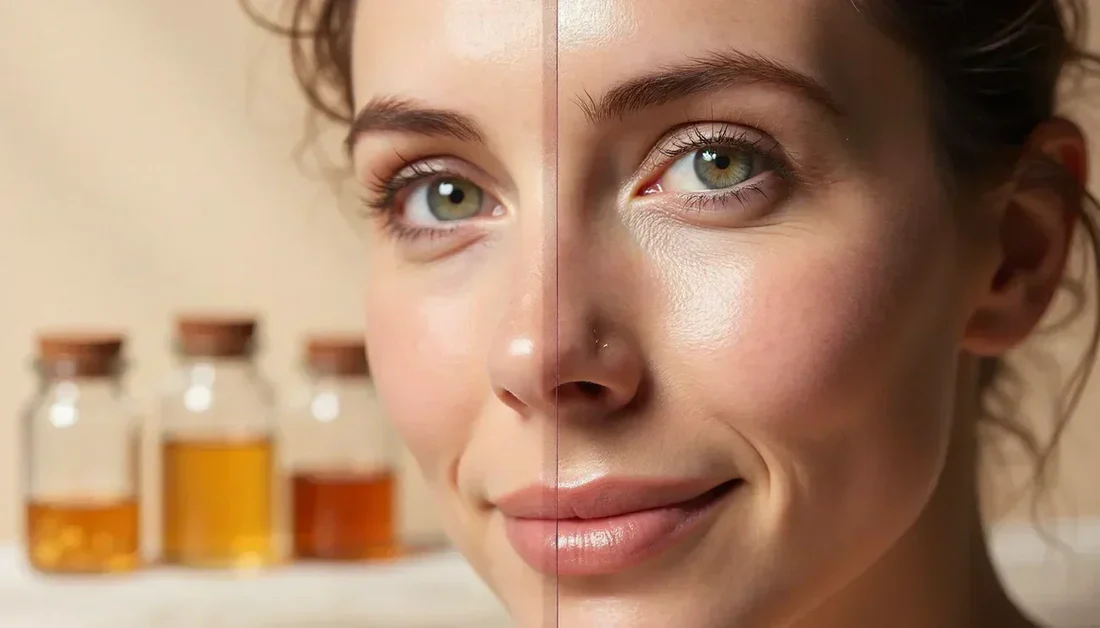
You’re 35. You look in the mirror and notice something’s different. Your skin doesn’t bounce back like it used to. Fine lines are settling in around your eyes. Your jawline isn’t as defined. You’re not imagining it-your collagen production has been declining for a decade, and now it’s showing.
Here’s what nobody tells you: after 35, the changes accelerate. But understanding what’s happening-and why oral collagen actually helps-can change everything about how you age.
What Actually Happens to Collagen After 35
Collagen production starts declining around age 25, dropping about 1% per year. By 35, you’ve lost roughly 10% of your collagen. But it’s not just about quantity-the quality changes too.
The collagen decline timeline:
- Age 25-30: Subtle changes, mostly unnoticeable
- Age 30-35: Fine lines appear, skin feels less plump
- Age 35-40: Visible loss of elasticity, deeper wrinkles form
- Age 40+: Significant sagging, pronounced lines, thinner skin
What’s changing in your skin:
- Collagen fibers become fragmented and disorganized
- Elastin (the protein that makes skin snap back) degrades
- Skin cell turnover slows significantly
- Moisture retention decreases
- Fat pads in the face begin to shift downward
The result? Skin that looks tired, less firm, and older than you feel.
The Elasticity Problem Nobody Talks About
Elasticity is your skin’s ability to stretch and return to its original shape. Think of it like a rubber band-when it’s new, it snaps back perfectly. Over time, it loses that bounce.
Signs your skin elasticity is declining:
- Skin takes longer to bounce back when pinched
- Sleep lines on your face last longer in the morning
- Makeup settles into fine lines more noticeably
- Your face looks “tired” even when you’re well-rested
- Jawline and neck skin starts to sag
Why this happens after 35:
- Collagen and elastin production drops significantly
- UV damage accumulates over decades
- Hormonal changes (especially perimenopause) accelerate loss
- Lifestyle factors (stress, sleep, diet) compound the effects
- Natural aging processes speed up
You can’t stop aging, but you can slow the visible effects-and that’s where oral collagen comes in.
Why Topical Products Aren’t Enough
You’ve probably invested in serums, creams, and treatments. They help, but they can’t rebuild what’s lost from within.
The limitation of topical collagen:
- Collagen molecules are too large to penetrate skin deeply
- They provide surface hydration but don’t rebuild structure
- Effects are temporary and superficial
- Can’t address internal collagen degradation
What your skin needs after 35:
- Internal collagen building blocks (amino acids)
- Nutrients that support collagen synthesis
- Antioxidants to protect existing collagen
- Hydration from the inside out
This is why oral collagen supplementation has become so popular-it addresses the problem at its source.
How Oral Collagen Actually Works
When you consume collagen, your body breaks it down into amino acids and peptides. These building blocks then circulate through your bloodstream and get used where your body needs them most.
The science behind oral collagen:
- Hydrolyzed collagen peptides are easily absorbed
- They stimulate your body’s own collagen production
- Amino acids provide raw materials for skin repair
- Peptides signal fibroblasts (collagen-producing cells) to work harder
What research shows:
- Studies demonstrate improved skin elasticity after 4-8 weeks
- Hydration levels increase significantly
- Wrinkle depth decreases measurably
- Skin density improves over time
The key is consistency and adequate dosage-typically 5,000-10,000mg daily for visible results.
What to Expect: The Realistic Timeline
Oral collagen isn’t magic, but the results are real when you stick with it.
Week 1-2:
- Minimal visible changes
- Possible improvement in skin hydration
- Nails may feel stronger
- Collagen building in your system
Week 3-4:
- Skin feels more hydrated and plump
- Subtle improvement in skin texture
- Fine lines appear slightly softer
- Overall skin tone looks more even
Week 6-8:
- Noticeable improvement in skin elasticity
- Reduction in fine lines and wrinkles
- Skin feels firmer to the touch
- Improved radiance and glow
- Hair and nails show visible improvement
Week 12+:
- Significant improvement in skin firmness
- Deeper wrinkles appear less pronounced
- Jawline definition improves
- Overall skin quality transforms
- Sustained benefits with continued use
Nano Collagen 5+ Drink delivers 10,000mg of fish collagen peptide per serving, combined with Vitamin C, Vitamin B3, Biotin, Ginseng, and White Tomato for comprehensive anti-aging support-especially if you’re aiming for glass skin goals.
The Supporting Cast: Why Vitamin C and Other Nutrients Matter
Collagen doesn’t work alone. It needs cofactors to be effective.
Essential nutrients for collagen synthesis:
- Vitamin C: Absolutely critical for collagen production-without it, collagen can’t form properly
- Vitamin B3 (Niacinamide): Enhances moisture retention and improves skin barrier function
- Biotin: Supports healthy hair, skin, and nails
- Antioxidants: Protect existing collagen from degradation
Why comprehensive formulas work better:
- Collagen provides building blocks
- Vitamin C enables collagen synthesis
- Antioxidants protect against breakdown
- Supporting nutrients enhance overall results
Taking collagen alone is like having bricks without mortar-you need the complete system.
Lifestyle Factors That Accelerate or Slow Collagen Loss
Supplementation helps, but your daily habits matter just as much.
What destroys collagen faster:
- UV exposure: The #1 collagen destroyer-wear sunscreen daily
- Sugar consumption: Glycation damages collagen structure
- Smoking: Accelerates collagen breakdown dramatically
- Poor sleep: Repair happens at night-skimp on sleep, lose collagen
- Chronic stress: Cortisol breaks down collagen rapidly
What protects and builds collagen:
- Daily sunscreen (non-negotiable after 35)
- Antioxidant-rich diet (berries, leafy greens, colorful vegetables)
- Adequate protein intake (your body needs amino acids)
- Quality sleep (7-9 hours nightly)
- Stress management (meditation, exercise, downtime)
- Hydration (collagen needs water to work)
You can take the best collagen supplement available, but if you’re not protecting your skin from UV damage and eating excessive sugar, you’re fighting a losing battle.
Combining Internal and External Support
The most effective anti-aging strategy combines oral supplementation with smart skincare.
The comprehensive approach:
- Internal: Oral collagen with supporting nutrients
- External: Retinoids, peptides, antioxidant serums
- Protection: Daily SPF, antioxidant-rich diet
- Lifestyle: Sleep, stress management, hydration
Additional support for aging skin:
- Consider a comprehensive multivitamin for overall wellness
- Omega-3 fatty acids support skin health and reduce inflammation
- Adequate protein intake supports collagen synthesis
The Bottom Line
Your skin at 35 doesn’t have to look 35. With the right internal support, protective habits, and consistent care, you can maintain the firmness and radiance you had in your 20s-or even improve on it.
Ready to rebuild your skin from within? Start with high-quality oral collagen that includes supporting nutrients for maximum effectiveness. When you explore inner beauty, outer glow strategies, you’ll choose formulas specifically designed for comprehensive anti-aging support. Your future skin will thank you.
