

Key Highlights
- Dental crowns provide full coverage and protection for teeth that have lost significant structure to decay.
- Cracks and fractures often require the circumferential support of a crown to prevent the tooth from splitting.
- After a root canal treatment, a crown is essential to reinforce the now-brittle tooth and prevent future breakage.
- Crowns offer a superior cosmetic solution for teeth that are severely discoloured or misshapen.
Introduction
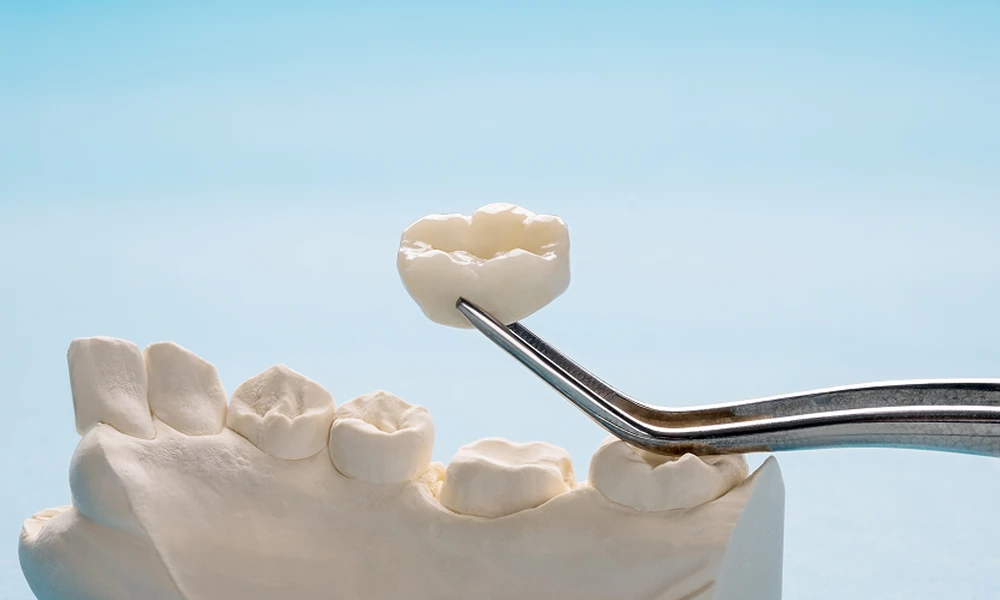
When a tooth suffers from damage or decay, the immediate thought for many patients is a simple filling. While fillings are excellent for addressing small cavities, they have limitations when it comes to restoring the structural integrity of a heavily compromised tooth. This is where a dental crown in Singapore becomes an invaluable tool for restorative dentistry. A crown, often referred to as a cap, covers the entire visible portion of the tooth, providing a protective shell that absorbs the pressure of biting and chewing. Choosing between a filling and a crown involves assessing the extent of the damage and the long-term prognosis for the tooth. By opting for a more robust restoration when necessary, patients can avoid more complex procedures in the future. Understanding the specific situations that warrant a crown helps patients make informed decisions about their dental care.
1. Extensive Decay and Large Cavities
A filling works by packing material into a void left by decay. However, if a cavity is so large that it occupies more than half the width of the tooth, a filling may actually weaken the remaining natural structure. The large volume of filling material can act like a wedge, eventually causing the surrounding tooth walls to crack under pressure. In these cases, a dental crown in Orchard is a much safer alternative. By encasing the entire tooth, the crown holds the remaining structure together and distributes the force of your bite evenly. This prevents the tooth from breaking and ensures that the restoration remains functional for many years. Using a crown for large areas of decay provides a level of durability that a standard composite filling simply cannot match.
2. Fractured or Cracked Teeth
Teeth can develop cracks due to various factors, including teeth grinding, biting on hard objects, or previous large fillings. A cracked tooth is often sensitive to temperature and can cause sharp pain when chewing. Unlike a cavity, a crack can continue to spread deep into the root if it is not properly supported. A dental crown in Singapore is the standard treatment for protecting a cracked tooth because it binds the tooth sections together. By covering the tooth completely, the crown prevents the crack from expanding every time you bite down. This not only relieves the pain associated with the fracture but also saves the tooth from requiring a more invasive extraction. Addressing a crack early with a crown is a proactive way to preserve your natural smile.
3. Protection Following Root Canal Therapy
During a root canal procedure, the infected pulp is removed from the centre of the tooth, and the canals are cleaned and sealed. While this saves the tooth from extraction, the process leaves the tooth much more brittle because it no longer has a live blood supply. A tooth that has undergone a root canal is significantly more prone to fracturing during normal daily use. To prevent this, a dental crown in Orchard is almost always recommended as the final step of the treatment. The crown acts as a reinforcement, providing the strength needed for the tooth to function normally again. Without the protection of a crown, a root-filled tooth is at high risk of failing, which would negate the benefits of the initial root canal therapy.
4. Enhancing Severely Misshapen or Discoloured Teeth
While crowns are primarily used for restorative purposes, they also play a vital role in cosmetic dentistry. Some dental issues, such as severe intrinsic staining or naturally misshapen teeth, cannot be corrected with simple whitening or minor fillings. If a tooth is notably smaller than its neighbours or has an irregular shape, a crown can be designed to match the surrounding teeth perfectly. This provides a uniform and aesthetically pleasing appearance to the smile. When you seek a dental crown in Singapore for cosmetic reasons, the material can be precisely colour-matched to your natural enamel. This dual benefit of improving both the strength and the appearance of a tooth makes crowns a versatile choice for patients looking to enhance their overall dental health and confidence.
Conclusion
Fillings and crowns both serve essential roles in modern dentistry, but they are designed for different levels of damage. While a filling is perfect for minor issues, a crown offers the comprehensive protection and strength required for more significant structural challenges. Whether you are dealing with extensive decay, a painful crack, or the aftermath of a root canal, a crown provides a long-lasting solution that keeps your natural tooth intact. Investing in a high-quality dental crown in Orchard ensures that your restoration is crafted with precision and care. By choosing the right treatment at the right time, you can maintain a functional, pain-free, and beautiful smile for a lifetime. Always consult with your dental professional to determine which restorative path is suited for your specific needs.
If you have a damaged tooth or are curious about restorative treatments, contact Elite Dental Group today to book a consultation for a dental crown in Orchard with our expert team.
