

INTRODUCTION
Most people expect their eyesight to change with age, but cloudy vision is different from simply needing a stronger pair of glasses. It often feels as though you’re looking through a foggy window, even when your lenses are clean. Reading becomes more difficult, lights seem brighter than usual at night, and everyday tasks start requiring more effort. These changes can happen slowly, making them easy to dismiss until they begin affecting daily life. Cloudy vision is not a condition on its own. Instead, it is a symptom that something inside the eye has changed. In many cases, those changes are linked to aging, but they can also be associated with medical conditions, injuries, or lifestyle habits. Understanding the possible reasons behind cloudy eyesight is the first step toward protecting your vision.
If you’re wondering, My Vision Getting Cloudy Over time can be a sign that the eye’s natural lens or surface is changing rather than simply a need for stronger glasses. Paying attention to when the cloudiness appears, whether it affects one or both eyes, and whether it comes with glare, blurred vision, or difficulty seeing at night can provide useful clues about the underlying cause. Because several eye conditions can produce similar symptoms, persistent cloudiness is worth discussing with an eye-care professional.
WHY EYESIGHT CHANGES OVER THE YEARS
The human eye is constantly changing throughout life. As the years pass, the natural lens gradually loses some of its clarity and flexibility. This process is completely normal, but it doesn’t affect everyone in the same way. Some people notice only minor changes, while others experience a steady decline in visual clarity. Long-term exposure to sunlight, smoking, uncontrolled diabetes, and certain medications may speed up these changes. Spending hours on digital screens won’t usually cause permanent cloudy vision, but it can make existing vision problems feel more noticeable by increasing eye fatigue.
WHAT COULD BE CAUSING CLOUDY VISION?
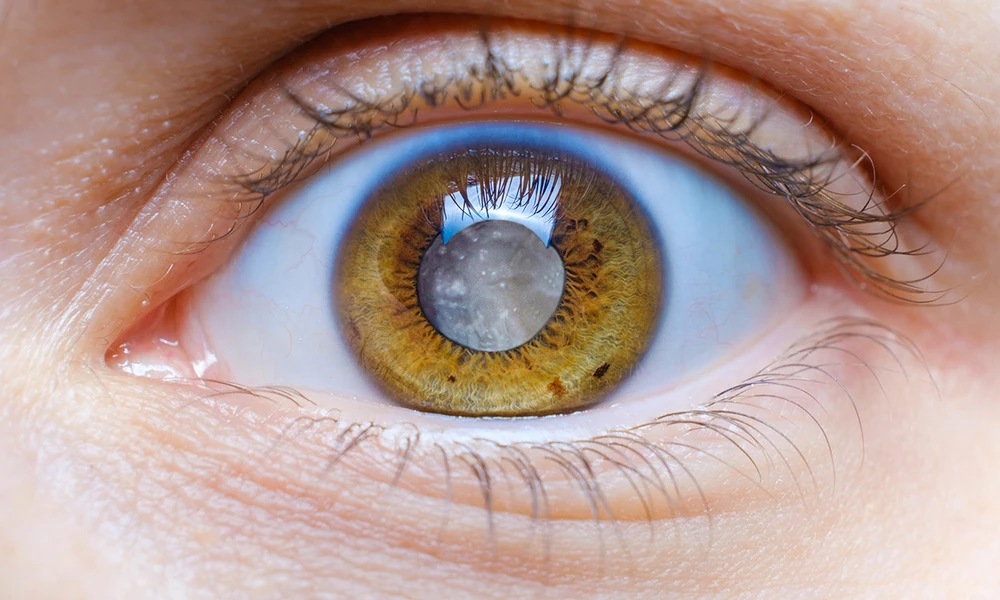
One of the most common causes is cataracts, a condition in which the eye’s natural lens becomes cloudy over time. Cataracts usually develop slowly, so people often don’t realize how much their vision has changed until they compare one eye with the other. Dry eyes are another frequent reason. Without enough healthy tears, the surface of the eye becomes uneven, causing vision to appear hazy. Other possible causes include glaucoma, corneal disease, diabetic eye complications, inflammation, or, in some cases, retinal disorders.
WHEN SHOULD YOU BE CONCERNED?
Ongoing mistiness requires an eye examination, but unexpected changes should never be ignored. If cloudy vision appears with severe eye pain, flashes of light, a curtain-like shadow, or sudden vision loss, immediate medical attention is essential. Even if symptoms seem mild, regular eye exams can identify many problems before permanent damage occurs. Early diagnosis often makes treatment simpler and more effective.
FINAL THOUGHTS
Healthy habits cannot prevent every eye condition, but they do reduce many avoidable risks. Wearing sunglasses outdoors, controlling blood sugar, eating nutrient-rich foods, avoiding smoking, and giving your eyes regular breaks from screens all support long-term eye health. Clear vision plays a major role in independence and quality of life. If your eyesight seems consistently cloudy or less sharp than before, don’t assume it’s just part of getting older. A professional eye examination can identify the cause and help you find the most appropriate treatment before the problem becomes more serious.
