

What’s behind the growing interest in TCM for skin concerns in Singapore?
In recent years, many Singaporeans have been exploring alternative approaches to managing skin conditions, and one option gaining attention is Traditional Chinese Medicine (TCM). With its holistic philosophy and centuries-old practices, TCM offers a different perspective on skin health that resonates with those seeking complementary methods alongside conventional care. But what exactly is drawing people towards TCM, and how does it relate to common skin problems like hives?
How does TCM approach skin health differently?
Unlike conventional dermatology, which often focuses on topical treatments or pharmaceuticals, TCM views skin issues as a reflection of the body’s internal balance. According to TCM principles, skin conditions can be linked to imbalances in the body’s qi (energy), blood flow, or organ function, particularly the lungs, liver, and spleen. This holistic viewpoint encourages addressing the root causes of skin concerns rather than simply managing symptoms.
For example, when someone experiences persistent or recurrent skin flare-ups, such as hives, TCM practitioners may assess the person’s overall health, lifestyle, and emotional state to identify underlying triggers. This comprehensive evaluation can lead to personalized treatment plans involving herbal medicine, acupuncture, dietary adjustments, and lifestyle advice.
Why are hives a common focus for TCM in Singapore?
Urticaria, commonly known as hives, is a skin condition characterized by itchy, red welts that can appear suddenly and cause discomfort. In Singapore’s tropical climate, environmental factors such as heat, humidity, and exposure to allergens can exacerbate skin sensitivities, making hives a frequent concern.
Many individuals experiencing hives seek out hives tcm options as a way to manage symptoms and explore alternative methods that work with their body’s natural rhythms. TCM’s approach involves calming the body’s internal heat, reducing inflammation, and strengthening organ function to help the skin regain balance.
By focusing on the interconnectedness of the body and skin, TCM practitioners aim to support the body’s natural ability to restore harmony, which may help reduce the frequency and severity of hives episodes over time.
What kinds of treatments does TCM offer for skin issues?
TCM treatments for skin problems are customized to the individual’s unique condition and constitution. Common modalities include herbal medicine, acupuncture, and dietary therapy. Herbal formulas might be prescribed to clear heat, dispel dampness, or nourish the blood-each tailored to the specific pattern of imbalance diagnosed by the practitioner.
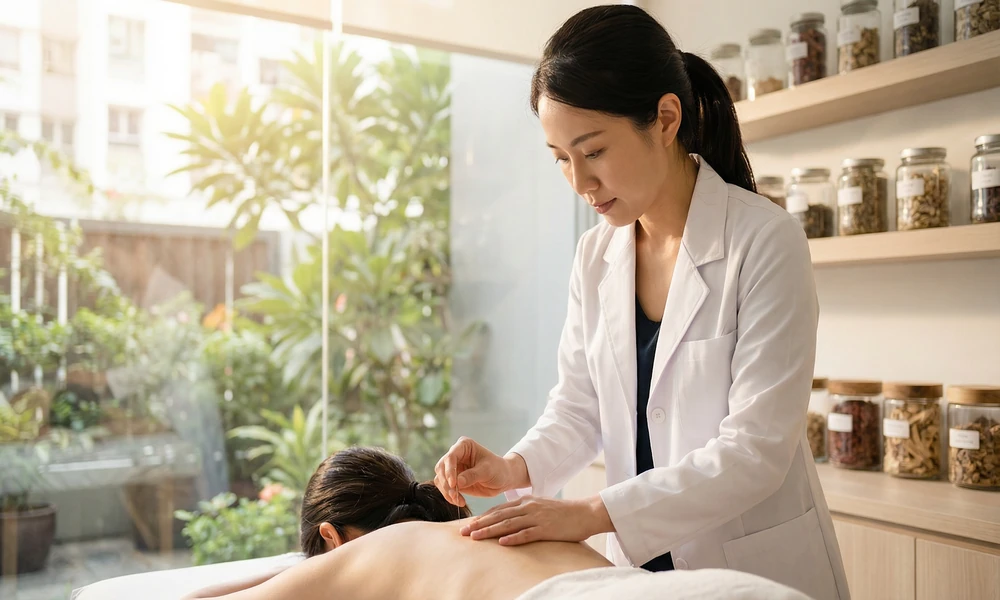
Acupuncture may be used to stimulate certain points believed to influence the immune system and internal organ function, potentially aiding in the body’s regulation of allergic or inflammatory responses that affect the skin.
Dietary guidance in TCM often focuses on foods that support skin health and reduce internal heat or dampness, such as cooling vegetables and certain grains, while minimizing spicy or greasy foods. This holistic approach can complement lifestyle changes intended to reduce stress and improve sleep quality, both important factors in skin wellness.
For those interested in exploring these options, resources like tcm for skin offer further insights into how TCM can be incorporated into a broader skin care strategy.
Is TCM safe and suitable for everyone?
In Singapore, TCM is practiced by licensed and experienced practitioners who undergo rigorous training to ensure safety and ethical standards. While many find TCM helpful as a complementary approach, it’s important to remember that skin conditions vary greatly and may require multi-faceted management.
TCM is often used alongside conventional medicine rather than as a replacement. Anyone considering TCM treatments for skin issues such as hives should consult healthcare professionals to discuss their individual health status and treatment goals.
Moreover, TCM herbs and therapies should be prescribed and monitored by qualified practitioners to avoid potential interactions or side effects. This integrated approach encourages informed decisions and responsible care tailored to each person’s needs.
How does TCM fit into Singapore’s healthcare landscape?
In Singapore, there is growing recognition of the value in combining Eastern and Western medical practices to enhance patient outcomes. Many clinics and hospitals now incorporate TCM services or collaborate with TCM practitioners, reflecting a broader cultural acceptance and interest.
For skin conditions that can be persistent or complex, such as chronic hives, this integrative mindset allows patients to explore diverse options in a safe and regulated environment. Singapore’s focus on evidence-based practice also encourages ongoing research and dialogue between healthcare disciplines, promoting patient-centred care.
This evolving landscape makes TCM an accessible and trusted option for those curious about alternative approaches to skin health.
What should you consider if you want to try TCM for your skin?
If you are exploring TCM for skin concerns, it helps to approach it with realistic expectations. TCM is not a quick fix but rather a gradual process aimed at restoring balance and supporting overall wellness. Consistency, patience, and open communication with your practitioner are key components of the journey.
Before starting any new treatment, ensure you disclose your full medical history and current medications to your TCM provider. Additionally, continue to monitor your skin’s response and seek conventional medical advice if symptoms worsen or new issues arise.
By combining informed choices with professional guidance, you can make the most of what TCM has to offer for skin health, including managing conditions like hives.
—
The information in this article is for general informational purposes only and does not constitute medical advice. Please consult a qualified healthcare professional for any medical concerns.
