

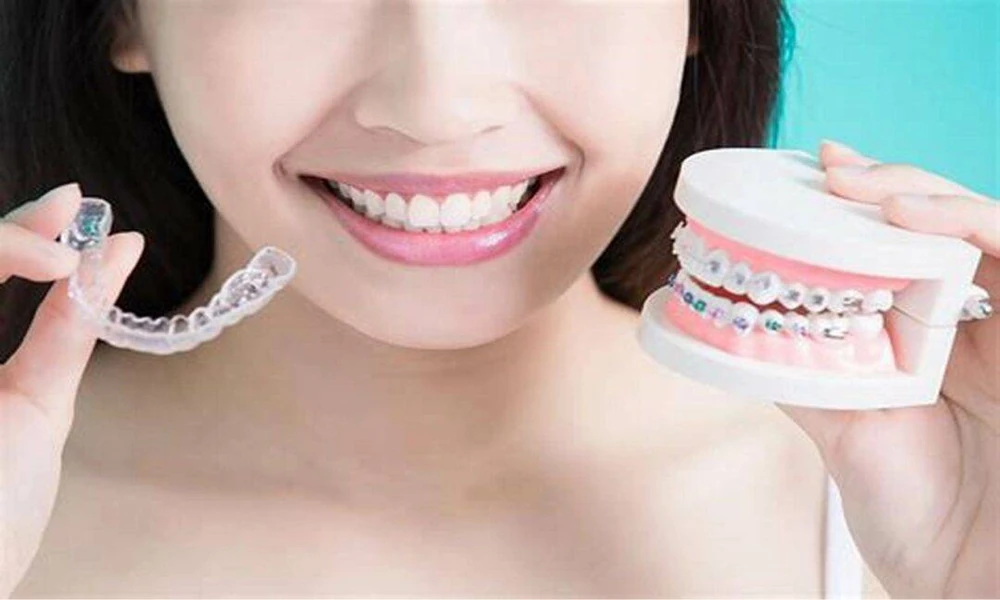
You might be at the point where you know you want a straighter smile, but the way to get there still feels a little unclear. Maybe you picture metal brackets every time you think about treatment, or maybe you have heard about aligners and wonder if they are really easier. That mix of hope and hesitation is common. Cincinnati orthodontics can improve how your teeth fit together and how your smile looks, but choosing between options can feel like one more thing to sort out in an already busy life.
If you want the short version, here it is. When people compare clear braces and traditional braces, the biggest advantages usually come down to appearance, comfort in daily life, and flexibility. For many patients, clear braces vs. traditional braces is not just about looks. It is about feeling more at ease at work, at school, and in social settings while still getting expert orthodontic treatment.
Why do so many people hesitate before choosing orthodontic treatment?
There is often more behind the decision than people realize. You may be thinking about photos, meetings, dating, sports, or simply how treatment will fit into your routine. You may also wonder whether one option is more effective than the other, or whether clear aligners are only for minor cases. According to MedlinePlus information on orthodontia, orthodontic treatment is used to correct teeth and jaw alignment issues, which means the best choice depends on your bite, your goals, and your lifestyle.
Because of this, the decision can feel personal. If you are an adult, you may not want your treatment to be the first thing people notice. If you are a parent, you may be trying to balance your child’s comfort with the need for consistent results. So, where does that leave you?
It helps to focus on the real benefits clear braces can offer, especially when compared with standard metal braces.
How can clear braces make everyday life feel a little easier?
The first major benefit is appearance. Clear braces, including aligners in many cases, are far less noticeable than metal braces. That may sound like a small thing, but it can have a real effect on confidence. You may feel more comfortable speaking in public, smiling in photos, or going through treatment without drawing attention to it.
The second benefit is comfort and convenience. Traditional braces stay fixed to the teeth, and that can lead to irritation from brackets and wires. Clear aligners are smooth and removable, which can make eating, brushing, and flossing easier for many patients. The American Association of Orthodontists page on aligners explains that aligners can be a good option for some patients, though they do require wearing them as directed for the best outcome.
The third benefit is fewer food restrictions and a more flexible routine. With metal braces, sticky or hard foods can damage brackets or wires. With removable clear aligners, you take them out to eat, which means you can enjoy more of your normal meals. That freedom matters, especially over months of treatment.
Still, it is important to be realistic. Clear options are not always the right fit for every bite issue. Some complex movements may still be better managed with traditional braces. Untreated alignment problems can also contribute to wear or discomfort over time. MedlinePlus notes that jaw and bite issues can be linked to symptoms such as pain or trouble chewing in some cases, as described in this overview of jaw alignment concerns.
What does a side by side comparison of clear braces and traditional braces really show?
Sometimes the easiest way to sort through the noise is to see the differences laid out clearly. If you are weighing clear aligners versus metal braces, this comparison can help you ask better questions during an orthodontist visit.
| Feature | Clear Braces or Aligners | Traditional Braces |
|---|---|---|
| Appearance | Less noticeable, often preferred by teens and adults | More visible due to metal brackets and wires |
| Comfort | Smooth surfaces can reduce irritation for some patients | Brackets and wires may rub cheeks and lips |
| Eating | Usually removable for meals if using aligners | Food restrictions are common |
| Oral Hygiene | Brushing and flossing may be easier with removable trays | Cleaning around brackets takes more time |
| Discipline Needed | High, because trays must be worn consistently | Lower, because braces stay on the teeth |
| Best For | Mild to moderate cases, depending on treatment plan | Simple to complex tooth and bite correction |
This is where nuance matters. A college student who wants a discreet option and can follow instructions closely may do very well with clear aligners. A younger teen who tends to lose things or forget routines may benefit more from fixed braces. The best invisible braces benefits show up when the treatment matches the person, not just the trend.
What can you do right now if you are trying to choose the right orthodontist option?
1. Get clear on your daily habits.
Ask yourself how consistent you are. Can you wear aligners for the recommended number of hours each day? Will you remember to put them back in after meals? If the honest answer is no, traditional braces may actually make treatment simpler and more effective.
2. Write down your top three priorities.
Do you care most about appearance, comfort, cost, or handling a more complex bite issue? When you know what matters most, your consultation becomes more productive. Instead of asking which option is best in general, you can ask which option fits your life.
3. Schedule a professional evaluation.
A true recommendation should come from an orthodontist who can examine your teeth, bite, and jaw alignment. That step can save you time, money, and frustration. It also helps you understand whether braces treatment or a clear system will give you the healthiest long term result.
So, which choice tends to feel right in the end?
For many people, clear braces offer three meaningful advantages over traditional braces. They are less noticeable, they can feel easier to manage day to day, and they often allow more freedom with meals and oral care. If those benefits line up with your habits and your orthodontic needs, they can make treatment feel far less disruptive.
At the same time, there is no prize for picking the most subtle option if it is not the best one for your smile. The right choice is the one that balances comfort, appearance, and results in a way that works for your real life. A thoughtful orthodontist can help you make that call with confidence.
If you are ready to move from uncertainty to a plan, schedule a consultation with an orthodontist and ask which option fits your bite, your routine, and your goals.
