

How much per serving?
One serving generally equals 2 to 5 milligrams of THC, a range regulators in several regions apply as the standard beverage measurement. New consumers should begin near 2 milligrams and remain there until the full effects arrive.
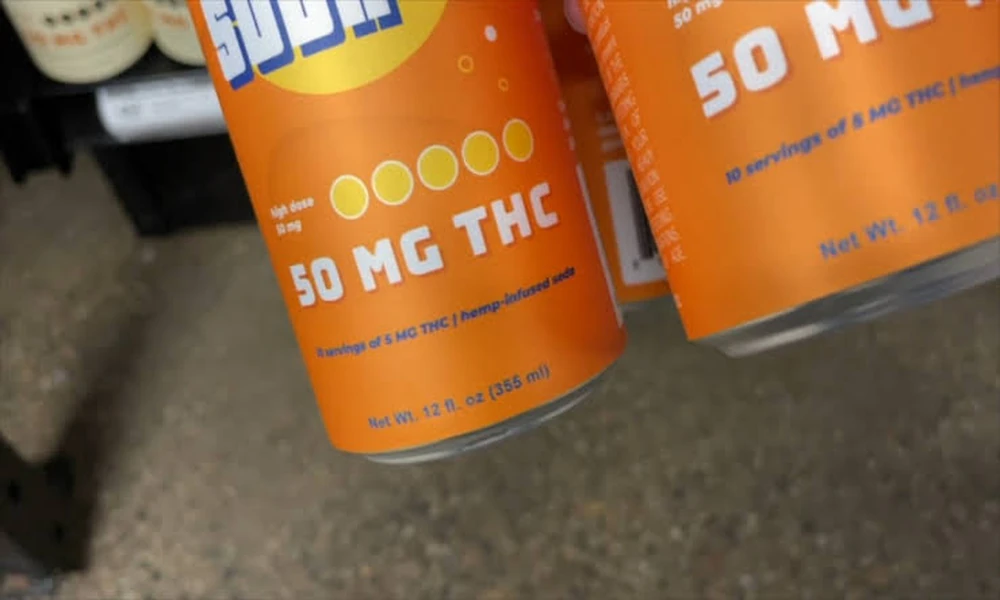
Serving calculation grows complicated because containers rarely match single portions. Producers package thc drinks in single-serve cans, larger multi-serve bottles, and powdered mixers, so total milligrams per package can span 2 to 100. A bottle listing 50 milligrams may contain ten separate servings under its printed serving count. Dividing container totals by stated serving numbers shows what each pour holds. Measuring reduced portions from stronger bottles keeps individual glasses inside that 2 to 5 milligram range, which suits early-stage consumption. Experienced consumers sometimes extend a single sitting toward 10 milligrams, though such amounts reflect established tolerance rather than a starting measure. Locating these figures on packaging forms the next relevant step.
Where do labels state this?
Serving details appear inside the cannabinoid panel, generally printed near nutrition information rather than across front branding. Front panels display flavour descriptions while smaller print carries the figures governing dosage. Reviewing that panel before opening prevents unintended doubling of a planned pour. Total THC per container appears beside per serving strength, and confusion between these two figures accounts for many overconsumption incidents. Serving counts confirm how many portions one bottle should yield. CBD ratios also carry relevance, since balanced blends produce milder outcomes than pure THC formulas at identical milligram levels. Batch testing dates verify that potency claims came from recent laboratory analysis. After label figures become clear, onset timing remains the final variable requiring attention.
When effects actually arrive
Onset timing determines whether a measured serving performs as measured, and liquid formats behave differently from solid edibles in this regard.
- Nano-emulsified formulas dissolve THC into water-compatible particles, producing effects within 15 to 30 minutes.
- Oil-based infusions move more slowly, sometimes requiring a full hour before any change registers.
- Consumption after fasting accelerates arrival while heavy meals extend the wait considerably.
- Body weight and metabolism alter intensity even between individuals sharing identical products.
Because arrival windows vary to this degree, the interval left between servings protects dosing accuracy more reliably than label figures alone.
Spacing follow-up servings.
A minimum interval of 60 minutes before any second pour remains the accepted standard, even when the first glass appears inactive. Swallowed cannabinoids continue building beyond that first hour, so additional pours within the window compound effects already in progress. Alternating infused glasses against plain water extends a session across a longer period without raising intake. Later servings should remain smaller than earlier ones, since sensitivity increases after initial effects settle. Groups consuming together often begin at half-strength portions, allowing each person to assess individual response before larger amounts follow.
One serving holds at 2 to 5 milligrams, yet container size, label placement, onset speed, and spacing between pours all determine how that figure translates into actual sessions. Reading the cannabinoid panel, observing the interval, and keeping early portions small converts printed strength into consistent, measurable outcomes.
