

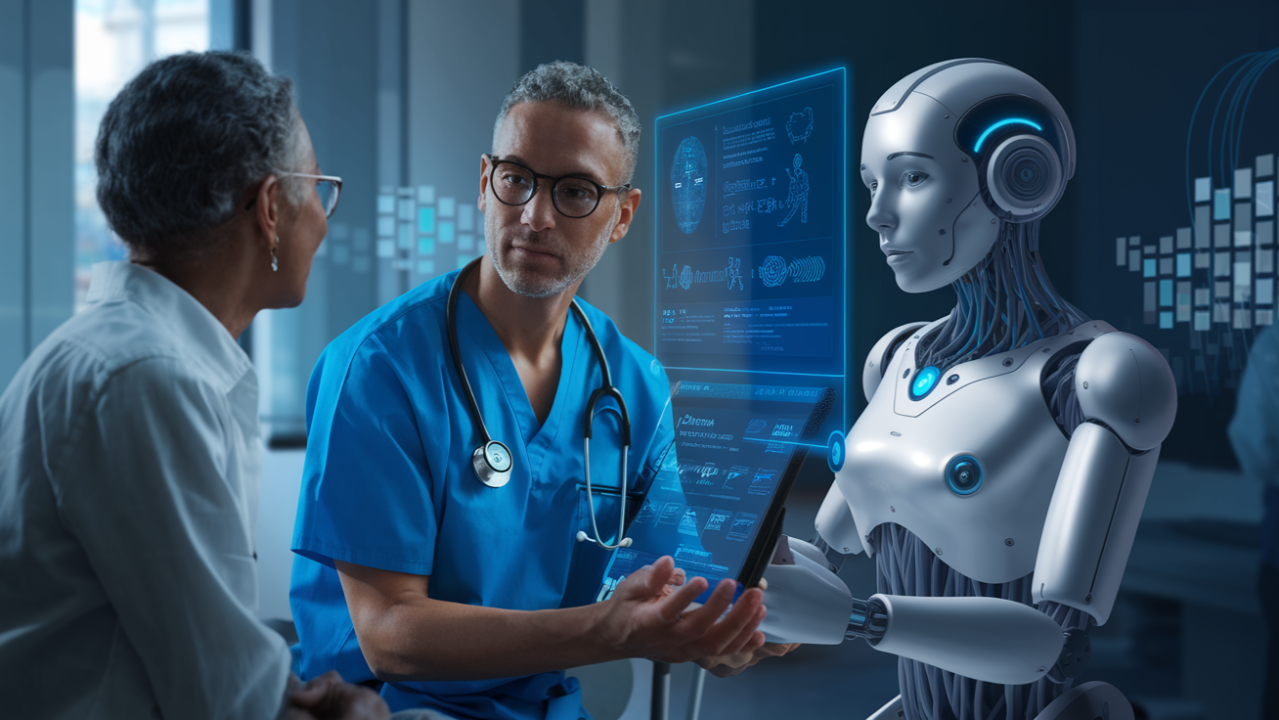
Healthcare is experiencing a major technological transformation. From telemedicine to advanced diagnostics, innovation is helping providers deliver better care while improving operational efficiency. One area that has seen remarkable progress is clinical documentation. The emergence of AI medical scribing is changing how healthcare professionals manage patient records, reducing administrative workloads and allowing more time for meaningful patient interactions.
For many clinicians, documentation has become one of the most demanding aspects of daily practice. Completing notes, updating records, and managing charting requirements can consume hours that could otherwise be dedicated to patient care. As a result, healthcare organizations are increasingly turning to intelligent solutions that simplify these processes.
Understanding the Rise of AI Medical Scribing
Traditional medical documentation often requires providers to divide their attention between the patient and the computer screen. While electronic health records improved accessibility and record management, they also introduced new administrative challenges.
An AI medical scribe addresses these challenges by automatically capturing and organizing information from patient-provider conversations. Using advanced speech recognition and natural language processing technologies, these systems create structured clinical notes in real time.
Rather than manually entering every detail, clinicians can review and approve AI-generated documentation, significantly reducing the time spent on charting.
This shift is helping healthcare professionals regain valuable hours while maintaining high-quality records.
Why Documentation Burden Has Become a Major Healthcare Issue
The healthcare industry is facing increasing pressure from documentation requirements. Providers must maintain comprehensive records for patient care, compliance, reimbursement, and legal purposes.
The consequences of excessive documentation are well known:
- Longer workdays
- Increased administrative stress
- Reduced patient interaction
- Higher burnout rates
- Lower provider satisfaction
Many clinicians spend additional hours each evening completing unfinished notes. This extra workload affects work-life balance and can ultimately impact the quality of care.
The growing adoption of AI powered medical scribe solutions reflects a desire to eliminate these inefficiencies and create a more sustainable healthcare environment.
How AI Medical Scribes Improve Clinical Workflows
One of the greatest strengths of an AI medical scribe is its ability to fit naturally into existing clinical workflows.
During a patient visit, the software listens to conversations and identifies important clinical information such as:
- Chief complaints
- Symptoms
- Medical history
- Diagnoses
- Treatment recommendations
- Medication updates
- Follow-up plans
The information is then transformed into organized documentation that can be reviewed and finalized by the provider.
This approach allows clinicians to focus on communication and clinical decision-making rather than typing notes throughout the appointment.
The Benefits of Medical Scribe Software
Healthcare organizations of all sizes are discovering significant advantages when implementing medical scribe software.
Enhanced Patient Engagement
Patients value attention. When providers are not distracted by documentation tasks, they can maintain better eye contact, listen more effectively, and create stronger relationships.
This often leads to a more positive patient experience.
Faster Documentation Completion
One of the most immediate benefits is a reduction in charting time. AI-generated notes allow clinicians to complete documentation much faster than traditional manual methods.
This can improve clinic efficiency and reduce after-hours administrative work.
Improved Accuracy and Consistency
Advanced AI systems are designed to recognize medical terminology and organize information consistently.
While providers always maintain final oversight, automated documentation helps ensure important details are captured and structured appropriately.
Reduced Burnout
Administrative overload remains one of the leading contributors to clinician burnout. By automating repetitive documentation tasks, AI medical scribing helps reduce stress and improve overall job satisfaction.
The Evolution of Healthcare Charting Software
Modern healthcare charting software has evolved far beyond simple electronic records. Today’s solutions support comprehensive clinical workflows while incorporating artificial intelligence to improve efficiency.
Advanced charting platforms may include:
- Real-time transcription
- Automated note generation
- Voice-driven workflows
- Electronic health record integration
- Specialty-specific documentation formats
- Intelligent clinical summaries
These features allow providers to spend less time managing records and more time focusing on patient outcomes.
Why Healthcare Organizations Are Investing in AI
Several industry trends are accelerating the adoption of AI medical scribing solutions.
Increasing Demand for Care
Healthcare providers are serving larger patient populations while managing limited resources. Automation helps maintain efficiency without compromising quality.
Staffing Challenges
Many healthcare organizations face shortages of administrative and clinical support staff. AI solutions can help bridge these gaps by automating labor-intensive tasks.
Better Technology
Artificial intelligence has advanced rapidly in recent years. Modern systems are far more accurate and capable than earlier generations of voice-recognition software.
This increased reliability makes adoption easier and more attractive for healthcare providers.
Financial Benefits
Improved efficiency often translates into reduced administrative costs and better resource utilization. Organizations can optimize workflows while supporting clinician productivity.
Choosing the Right AI Documentation Platform
When evaluating medical scribe software, healthcare organizations should focus on several critical considerations.
Ease of Implementation
The best solutions integrate smoothly into existing workflows with minimal disruption.
Security and Compliance
Protecting patient information is essential. Providers should select platforms that meet healthcare privacy and security requirements.
Scalability
As practices grow, documentation needs evolve. Flexible AI solutions can support organizations of various sizes and specialties.
Clinical Relevance
Healthcare documentation is highly specialized. The software should understand medical language and produce notes that align with clinical standards.
The Future of Clinical Documentation
The future of healthcare documentation will be increasingly intelligent, automated, and efficient. As artificial intelligence continues to advance, AI powered medical scribe technology will become even more effective at understanding complex medical conversations and generating detailed clinical records.
Healthcare providers are recognizing that documentation automation is not simply about saving time. It is about creating better experiences for both patients and clinicians.
With the continued growth of AI medical scribing, healthcare organizations can reduce administrative burdens, improve documentation quality, and support a more patient-centered model of care. Combined with advanced healthcare charting software, AI-driven solutions are helping reshape the future of clinical practice—one patient encounter at a time.
