

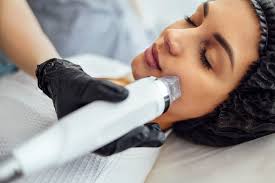
Uneven skin tone is a concern many people notice when looking closely at their complexion. Dark spots, patchy areas, and dull texture can develop over time because of sun exposure, aging, acne scars, or environmental stress. These changes may not affect health, but they often influence how smooth and balanced the skin appears. Because of this, many individuals look for treatments that can gently improve the skin’s overall texture and color. Among the options available today, microneedling has become a widely discussed approach in skincare clinics. It is often chosen by people who want to improve skin texture without invasive procedures. In some treatment plans, professionals also combine techniques such as red light therapy and microneedling to support the skin’s natural repair process and enhance overall results. Although the idea of tiny needles might sound intimidating at first, microneedling is designed to stimulate the skin’s own renewal abilities. When performed correctly, it can help the skin appear smoother, brighter, and more even over time.
Key Takeaways
- Uneven skin tone can result from sun exposure, acne scars, aging, and environmental stress.
- Microneedling encourages the skin to repair and renew itself naturally.
- The treatment may improve texture, tone, and the appearance of dark spots.
- Gradual improvements usually appear after multiple sessions.
- Combining professional treatments with healthy skincare habits can support better results.
What Causes Uneven Skin Tone?
Uneven skin tone usually develops when certain areas of the skin produce more pigment than others. Sun exposure is one of the most common causes. When the skin tries to protect itself from ultraviolet rays, it produces extra melanin, which can lead to dark spots or patches. Acne can also leave behind marks that take time to fade. When the skin heals from inflammation, the affected area may temporarily produce more pigment. Over time, these marks can create a patchy appearance. Lifestyle factors also play a role. Lack of sleep, dehydration, pollution, and stress can weaken the skin barrier and affect how evenly the skin renews itself.
How Microneedling Supports Skin Renewal
Microneedling works by creating very tiny micro-injuries on the surface of the skin using a specialized device with fine needles. These small channels signal the body to start its natural healing process. As the skin repairs itself, it produces more collagen and elastin, which help strengthen the skin structure and support smoother texture. Over time, this process can reduce the appearance of uneven pigmentation and improve overall skin tone. Another benefit of microneedling is that it can improve the absorption of skincare products. When tiny channels are created in the skin, beneficial ingredients can penetrate more effectively and support better results.
Gradual Improvements over Time
One important thing to understand about microneedling is that it does not create instant changes. The treatment works gradually as the skin rebuilds and renews itself. Many people begin to notice improvements in texture and tone after a few sessions. Dark spots may start to appear lighter, and the skin may feel smoother. However, consistent treatments and proper aftercare are usually necessary to maintain progress. Patience plays a key role in achieving natural-looking results.
The Role of RED Light Therapy in Skin Recovery
RED light therapy is sometimes used alongside microneedling treatments to support the skin’s recovery process. This therapy uses gentle wavelengths of light that penetrate the skin and stimulate cellular activity. The light energy may help calm inflammation and encourage the skin’s natural repair response after treatments that stimulate renewal. For individuals dealing with uneven tone or lingering marks, this supportive therapy can complement microneedling by promoting healthier skin function. While the approach may vary depending on individual needs, many skincare professionals consider light-based therapies a useful addition to skin rejuvenation routines.
Supporting Skin Health between Treatments
Professional treatments often work best when they are supported by consistent skincare habits at home. Protecting the skin from excessive sun exposure is especially important for maintaining even tone, and using sunscreen daily helps prevent new pigmentation from forming. Hydration also supports healthy skin renewal because drinking enough water and using gentle moisturizers helps maintain the skin barrier, allowing the skin to repair itself more effectively. Additionally, avoiding harsh skincare products immediately after treatments can help protect the skin while it heals.
Final Thoughts
Microneedling has become a popular option for people looking to improve uneven skin tone without undergoing invasive procedures. By stimulating the skin’s natural repair process, it encourages collagen production and supports gradual improvements in texture and appearance. While results may take time, many individuals find that consistent treatments combined with healthy skincare habits help create a more balanced and radiant complexion. When guided by experienced professionals and supported by thoughtful daily routines, microneedling can play a meaningful role in achieving smoother and more even-looking skin.
