

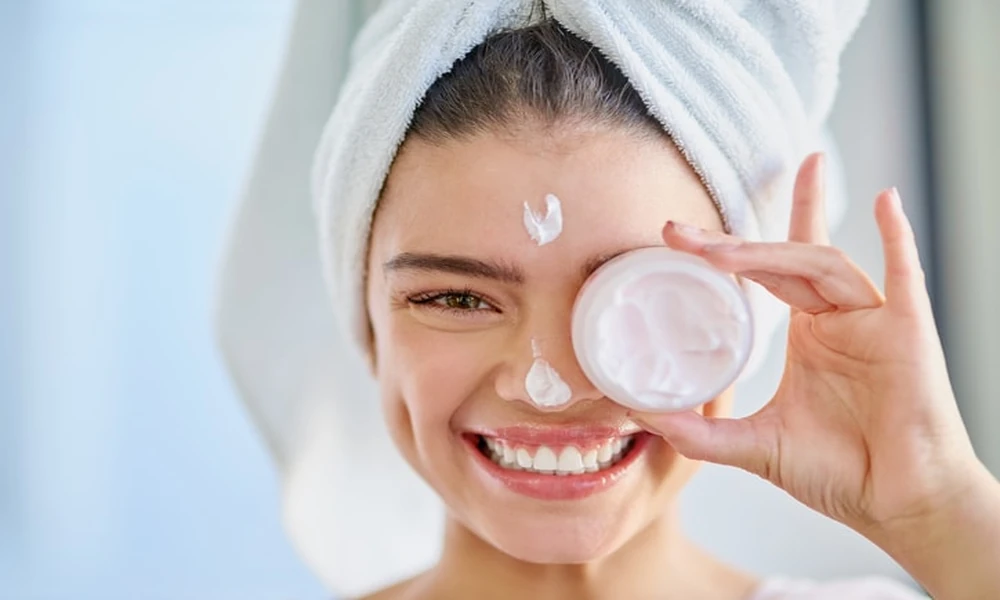
Healthy-looking skin depends on more than a single product or occasional change in routine. Daily exposure to pollution, makeup, sunscreen, oil, dry air, stress, and changing weather can gradually affect the way skin looks and feels. Even people who cleanse and moisturize regularly may still notice dullness, clogged pores, uneven texture, or dehydration.
Professional facial treatments can provide additional support by combining several skincare steps into one appointment. Cleansing, exfoliation, extraction, and hydration may all be used to help improve the appearance of the complexion. For people interested in a treatment focused on refreshing and hydrating the skin, Mediluxe hydrafacial may be worth considering as part of a broader skincare routine.
Why Skin Can Look Dull Even With a Good Routine
A person can use quality skincare products and still experience dull-looking skin.
This can happen because dead skin cells, oil, and environmental residue may accumulate on the surface over time. The result can be a complexion that looks less bright or feels rougher than usual.
Other factors may include:
- Dehydration
- Poor sleep
- Seasonal weather changes
- Indoor heating
- Air conditioning
- Stress
- Frequent makeup use
- Inconsistent exfoliation
A professional facial can help remove some of this surface buildup and support a cleaner, smoother appearance.
What Is a Hydrafacial?
A Hydrafacial is a professional facial treatment that generally combines several steps designed to cleanse, exfoliate, remove impurities, and hydrate the skin.
Rather than focusing on only one part of skincare, the treatment is intended to address multiple surface-level concerns during the same session.
Depending on the treatment plan, the process may focus on:
- Cleansing
- Exfoliation
- Pore care
- Surface extraction
- Hydration
- Application of skincare solutions
The exact experience may vary depending on the provider and the needs of the individual.
Why Cleansing Is So Important
Cleansing is the foundation of nearly every skincare routine.
Throughout the day, the skin can collect:
- Oil
- Sweat
- Makeup
- Sunscreen
- Dust
- Environmental particles
If this buildup remains on the skin, the complexion may feel congested or look dull.
Professional cleansing can provide a more thorough reset than a quick evening wash.
This does not mean daily cleansing is unnecessary. Home care remains essential. A professional treatment simply adds another level of support when the skin needs more focused attention.
How Exfoliation Can Improve Skin Texture
Dead skin cells naturally shed from the surface, but this process is not always perfectly even.
When excess buildup remains, the skin may feel rough and look less radiant.
Exfoliation helps remove part of this layer.
Appropriate exfoliation may help support:
- Smoother texture
- Brighter-looking skin
- More even makeup application
- Better spread of skincare products
- A cleaner surface appearance
However, more exfoliation is not always better.
Over-exfoliating can contribute to irritation, dryness, and sensitivity. The intensity should suit the person’s skin type and current routine.
Why Hydration Makes Such a Visible Difference
Hydrated skin often looks softer, smoother, and more luminous.
- Tight
- Rough
- Dull
- Less supple
- More textured
Fine surface lines can also become more noticeable when moisture levels are low.
Hydration-focused treatments can help support a plumper and more refreshed appearance.
This can be especially useful during colder weather, after travel, or during periods when air conditioning and indoor heating affect the skin.
Who May Benefit From a Hydrafacial?
Hydrafacial treatments may appeal to people with a variety of cosmetic skincare goals.
People With Dull-Looking Skin
If the complexion appears tired or lacks radiance, cleansing and exfoliation may help create a fresher appearance.
People With Dehydrated Skin
Hydration-focused care can help support softness and comfort.
People With Uneven Texture
Exfoliation may help smooth the visible surface of the skin.
People Concerned About Congestion
A cleansing-focused treatment may be useful for areas where buildup is noticeable.
People Preparing for an Event
Some people schedule facials before weddings, celebrations, vacations, or professional events when they want their skin to look refreshed.
Why Personalized Skin Assessment Matters
Skin is not the same from one person to another.
One person may struggle mainly with dryness, while another may be concerned about oiliness or congestion. Some people also use strong active skincare products that can make the skin more sensitive.
A professional consultation can help consider:
- Skin type
- Sensitivity
- Current products
- Previous treatments
- Main concerns
- Cosmetic goals
This information helps determine whether the treatment is appropriate and how it should fit into the rest of the skincare routine.
Can Hydrafacial Be Used as Part of Regular Skin Maintenance?
For some people, professional facials become part of an ongoing skincare plan.
The goal does not have to be correcting a major concern. Regular treatments may simply support a cleaner, smoother, and better-hydrated appearance.
A balanced skincare routine may include:
- Gentle cleansing
- Moisturizer
- Daily sunscreen
- Suitable active products
- Periodic professional treatments
The right frequency varies.
Some people may schedule treatments regularly, while others may only book appointments before special occasions or when their skin feels particularly dull or dehydrated.
Why Sunscreen Remains Essential
Professional facials can improve the appearance of the skin, but they do not replace sun protection.
Daily sunscreen remains one of the most important habits for maintaining skin appearance over time.
UV exposure can contribute to visible aging and pigmentation changes.
Following a facial, it is also important to follow any aftercare recommendations provided by the skincare professional.
This may include temporarily avoiding strong exfoliating products or other potentially irritating ingredients.
How Lifestyle Can Affect Skin Appearance
Skincare treatments are only one part of the bigger picture.
Everyday habits can influence how the complexion looks.
Sleep
Poor sleep can contribute to a tired-looking appearance.
Stress
Stress may affect the skin differently from one person to another.
Skincare Consistency
Using products regularly is usually more useful than switching routines constantly.
Sun Exposure
Regular sun protection is important for long-term skin care.
Environment
Cold weather, dry indoor air, heat, and humidity can all affect the skin.
Professional treatments tend to work best when supported by sensible daily habits.
How Is Hydrafacial Different From a Traditional Facial?
Traditional facials can include cleansing, masks, steaming, massage, manual extraction, and moisturizer depending on the provider.
Hydrafacial-style treatments generally use specialized technology to combine cleansing, exfoliation, extraction, and hydration.
The better choice depends on what the person wants from the appointment.
Someone looking mainly for relaxation may prefer one approach, while someone focused on cleansing, hydration, and texture may prefer another.
Neither type is automatically best for everyone.
What Should You Do Before an Appointment?
Before a facial, it can be helpful to review your current skincare routine.
Be prepared to mention:
- Retinoids
- Exfoliating acids
- Recent facial procedures
- Skin sensitivity
- Main concerns
- Products that have caused irritation
Avoid making major changes to your skincare immediately before the appointment unless advised by a professional.
Clear information helps the provider choose a more suitable treatment approach.
What Can You Expect After Treatment?
Many people choose non-invasive professional facials because they want a refreshed appearance without a long recovery period.
After treatment, the skin may feel:
- Cleaner
- Smoother
- Softer
- More hydrated
Individual experiences can vary.
Some people may also have temporary sensitivity depending on their skin and the products used.
Following professional aftercare instructions is the best way to support the skin after the appointment.
Why More Skincare Is Not Always Better
One common mistake is assuming that stronger products and more frequent exfoliation will always improve the skin faster.
In reality, too many active products can create irritation.
A routine overloaded with acids, scrubs, retinoids, and frequent treatments may compromise comfort and make the skin feel dry or sensitive.
Balance is important.
A good routine should support the skin rather than constantly challenge it.
Professional guidance can help people avoid combining too many aggressive treatments at the same time.
How to Choose a Professional Facial Provider
The provider can influence both the experience and how well the treatment is matched to the individual.
Look for:
A Proper Consultation
The provider should ask about your goals and current skincare.
Clean Treatment Standards
Hygiene is essential for any facial service.
Personalized Recommendations
Treatments should not feel identical for every client.
Clear Expectations
The provider should explain what the treatment is designed to do.
Aftercare Guidance
Clients should understand how to care for their skin afterward.
Why Consistency Matters More Than One Appointment
A single facial may provide a visible refresh, but maintaining healthy-looking skin is usually an ongoing process.
Long-term skincare depends on regular habits such as:
- Gentle cleansing
- Appropriate moisturizing
- Sunscreen use
- Avoiding unnecessary irritation
- Choosing suitable products
Professional facials can complement these habits, but they work best as part of a broader routine.
Consistency usually matters more than constantly searching for a quick fix.
Final Thoughts
Hydrafacial treatments can be a useful option for people who want to refresh dull, dehydrated, congested, or uneven-looking skin. By combining cleansing, exfoliation, pore care, and hydration, this type of treatment can support a smoother and more radiant appearance.
The strongest approach is usually a balanced one. Professional care can provide an additional boost, while daily cleansing, moisturizing, sunscreen, and appropriate skincare products support results over time.
Rather than treating a facial as a complete solution on its own, it can be more helpful to view it as one part of a thoughtful skincare routine focused on maintaining healthy-looking, comfortable, and well-hydrated skin.
